Seed Swap, Tiny Apartment: Build a Neighborhood Indonesian Greens Exchange

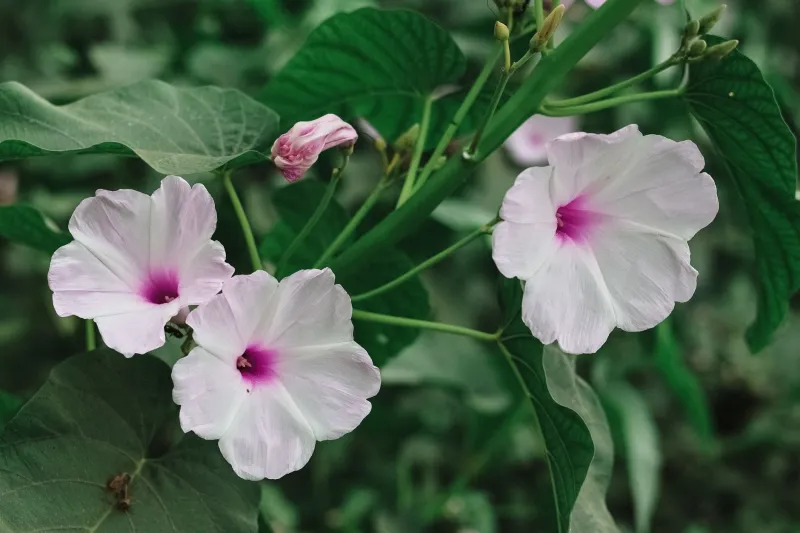
Photo by Photo by Long (lTiga) Nguyen on Unsplash on Unsplash
The best garden in your neighborhood might start on a windowsill. It might start with three neighbors, a stack of envelopes, and a handful of kangkung seeds. A seed swap does not require land. It requires a little organization and a willingness to share what you know.
Indonesian leafy greens are especially good candidates for a small-scale swap. Kangkung grows fast in containers. Daun kelor can be started in pots and kept small for a while. Sawi and other mustard greens are quick, forgiving, and useful in the kitchen. These are not rare collector plants. They are everyday greens with a long home-garden history, which makes them easy to share.
Step 1: Pick a Low-Stakes Format
Do not overbuild it. A first swap can be a ninety-minute drop-in event in an apartment lobby, a community room, a library meeting space, or a covered spot in a park. Put out a table, a few chairs, and clear labels. Invite people to come and go. The goal is not a conference. The goal is a table with seeds on it and people talking.
If you live in a building with a formal events policy, ask the management first. If you do not have a common room, ask a local library or a cafe with a back table. Some libraries have seed libraries already and will welcome a partner. Keep the setup simple enough that you could pack it into two tote bags.
Step 2: Invite Beyond the Usual Gardeners
Most seed swaps advertise to people who already have gardens. That is a missed opportunity. Write your invitation for renters, balcony growers, first-time gardeners, and families with kids. Say clearly that you do not need to bring seeds to attend. Say that houseplants and herb seeds are welcome too. Say that beginners are the point, not a problem.
A simple flyer can read: Bring seeds if you have them, take seeds if you need them, and stay for a short growing talk. That lowers the pressure. It also makes the swap feel like a neighborhood exchange rather than a test of gardening knowledge.
Step 3: Label Like You Mean It
A seed swap without labels is a mystery box. Use small envelopes or paper squares and write the common name, the Indonesian name if you know it, the variety, the date saved, and the source. Add a few growing notes: sun, water, container size, and days to harvest if you know them. For Indonesian greens, it helps to write whether the plant prefers wet soil, like kangkung, or needs good drainage, like many sawi varieties.
If you are sharing seeds from a packet, say so. If you saved them yourself, say that too. Honest labeling builds trust and makes the next swap better. Keep a pen and blank labels on the table so people can add notes as they take seeds.
Step 4: Make Growing Tips Part of the Swap
Seeds alone are not enough. A short micro-talk can turn a swap into a learning space. Ask one experienced grower to talk for ten minutes about starting kangkung in a container. Ask another to explain how to harvest sawi so the plant keeps producing. Keep it practical and short. Then open the floor for questions.
You can also print a one-page cheat sheet with a few basics: use containers with drainage, water in the morning, keep seedlings warm, and harvest outer leaves first. Leave space for people to write their own notes. The swap should send people home with seeds and a little more confidence.
Step 5: Keep It Inclusive for Renters and First-Timers
Not everyone has a balcony. Not everyone has a south-facing window. Make room for that reality. Offer a few free containers or recycled pots if you can. Suggest windowsill herbs and shallow trays for microgreens. Remind people that kangkung can grow in a bucket and that a five-gallon container is a real garden.
Do not assume everyone knows terms like thinning or bolting. Explain them in plain language. If someone asks a basic question, answer it without making them feel late to the party. A good swap is not a display of expertise. It is a place where expertise gets passed around.
Step 6: Follow Up and Do It Again
Collect names and phone numbers or start a group chat. A week after the swap, send a photo of your seedlings and ask others to share theirs. A small follow-up keeps the momentum going. Plan the next swap for a different season. In late summer, people can bring seed from bolted greens. In early spring, they can bring extra seedlings.
The first swap might be messy. Someone will forget labels. Someone will bring a mystery envelope. Someone will leave with more seeds than they can plant. That is fine. The point is not perfect organization. The point is a neighborhood that knows where its next kangkung seed is coming from.
Start small. Put out a table. Invite the building. Label the seeds. Share the growing tips. Then let the swap grow from there.