Same Greens, Different Vessel: A Wok, Clay Pot, and Banana Leaf Test
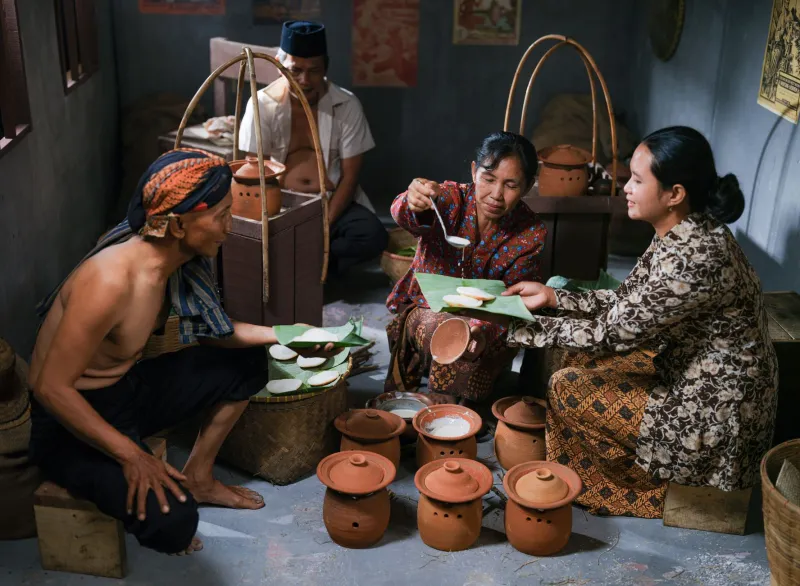
Buy one big bunch of kangkung, sawi, or bayam. Split it into three piles. Cook each pile with the same garlic, salt, and oil, but change the vessel. You will learn more about Indonesian greens in one afternoon than in a month of reading recipes. The pan is not just a pan. It is part of the recipe.
The Wok: High Heat, Fast Char, Snappy Texture
A wok works because it concentrates heat at the bottom and gives you room to toss. The greens hit hot oil and get a quick sear before they release too much water. The result is usually glossy, slightly charred, and still a little crisp at the stem. This is the treatment most American cooks already recognize from takeout stir-fry, but the Indonesian home version is often simpler. Garlic, chili, a little salt, maybe a splash of soy sauce or oyster sauce. That is enough.
If you do not own a wok, use a wide cast-iron skillet or a heavy stainless pan. The key is to preheat it well and not crowd the greens. Cook them in two batches if needed. Crowding steams them, and steamed greens are a different dish. For the test, heat the pan until a drop of water skitters, add oil and garlic, then the greens. Toss constantly for two to three minutes. Taste a stem. If it snaps, you are done.
The Clay Pot: Gentle Steam, Deeper Softness
A clay pot or heavy lidded pot creates a different kind of heat. It holds warmth, traps steam, and gently softens the greens. This is less about char and more about body. Bitter greens become mellow. Tough stems relax. The sauce at the bottom picks up all the green flavor. In Indonesian cooking, clay pots and heavy pans are often used for braises, curries, and slow-simmered vegetable dishes where the point is comfort rather than crunch.
You do not need a traditional clay pot to try this. A Dutch oven works well. So does a heavy saucepan with a tight lid. Put the same aromatics in the pot, add the greens, and add a small splash of water or coconut milk. Cover and cook over medium-low heat until the greens collapse. The texture will be soft, silky, and deeper in flavor than the wok version. If you want to push the comparison, add a little tamarind or lime at the end to wake it up.
The Banana Leaf: Aroma as an Ingredient
The banana leaf is not just packaging. It is a steamer, a plate, and a fragrance source. When you wrap seasoned greens in a banana leaf and steam or grill the parcel, the leaf gives off a grassy, slightly sweet aroma that settles into the food. The greens cook in their own moisture, so they stay tender without turning watery. This is the most unfamiliar method for many American cooks, and also the most memorable.
Frozen banana leaves are usually available at Asian and Latin American grocery stores. Thaw them, wipe them clean, and soften them briefly over a flame or in hot water so they fold without cracking. If you cannot find banana leaves, parchment paper will steam the greens, but it will not give you the aroma. A good compromise is to line a bamboo steamer with a piece of banana leaf if you can find one, or use a few leaves under the greens in a covered pan. For the test, wrap the greens with garlic, salt, and a little oil. Steam for eight to ten minutes. Open the parcel at the table. The smell is the point.
The Three-Way Taste Test
Set up three bowls. Label them wok, pot, and leaf. Use the same amount of greens, the same aromatics, and the same salt. Cook each one simply. Then taste them side by side, preferably while they are still warm. You are looking for texture first, then aroma, then how the flavor sits on the tongue.
The wok version should be bright and snappy. The clay pot version should be soft and rounded. The banana leaf version should smell green and slightly sweet. None is better in a universal sense. They are three different answers to the same question.
What to Buy and What to Skip
You do not need a specialty kitchen to cook this way. A cast-iron skillet can stand in for a wok. A Dutch oven can stand in for a clay pot. Frozen banana leaves are worth buying once just to understand what the fuss is about. Skip the expensive single-use gadgets. The point is heat, moisture, and aroma, not brand names.
Indonesian greens are generous. They respond to technique. Try the same bunch three ways and you will stop thinking of a wok as the default and start thinking of the vessel as a flavor choice. That is a small shift with a big payoff at dinner.