Your Salad Bowl Has a Blandness Problem — Indonesian Greens Are the Fix
Let's be honest about something. The average American salad is doing a lot of work visually and very little work nutritionally. A pile of iceberg, a few cherry tomatoes, some shredded carrots, and a drizzle of ranch dressing — it looks like a meal, but it eats like a placeholder. The greens are mostly water. The flavor is mostly dressing. And by 2 p.m., you're hungry again.
This isn't a judgment. It's just what happens when a food culture defaults to the mildest possible version of a vegetable. American grocery stores have spent decades optimizing for inoffensive. Bitterness was bred out. Earthiness got washed away. What remained was crunch and color — pretty, sure, but nutritionally hollowed out.
Indonesian home cooks have been solving this problem for generations, and they didn't need a wellness influencer to point it out. They just kept growing and eating the leaves that actually do something.
What Indonesian Salad Greens Actually Bring to the Table
In Indonesian cooking, the concept of a raw green salad looks quite different from what you'd find at an American lunch spot. Take lalapan — a traditional Javanese and Sundanese practice of serving raw or lightly blanched leaves alongside grilled or fried proteins. The greens aren't the supporting act. They're functional. They're there to cool the heat of sambal, to cleanse the palate between bites, and to deliver genuine nutritional weight.
The leaves used in lalapan aren't chosen for their mildness. Kemangi (Indonesian lemon basil), raw kangkung stems, bitter melon leaves, and sometimes even cassava leaves make appearances. There's an expectation of flavor — real, assertive, sometimes challenging flavor — that American salad culture has largely abandoned.
Then there's pegagan, known in the West as centella asiatica or gotu kola. This is where things get genuinely interesting for the American home cook and gardener.
Pegagan: The Leaf That Actually Does Something
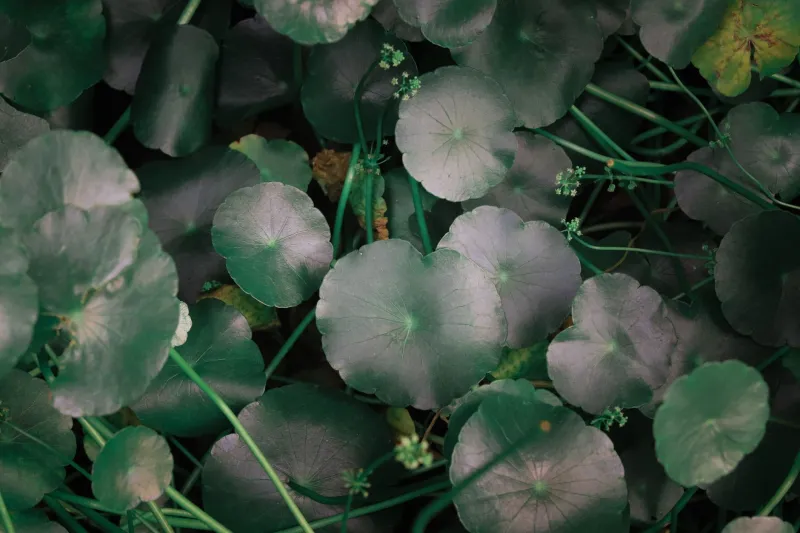
Pegagan is a low-growing, creeping herb native to tropical and subtropical Asia. In Indonesia, it's eaten raw in salads, blended into drinks, and used medicinally — often all three at once, because in traditional cooking, the line between food and medicine has always been blurry.
The flavor is earthy, mildly bitter, and faintly grassy. It's not aggressive, but it's not nothing either. It tastes like a plant that's actually been living outdoors rather than one that was grown under fluorescent lights in a controlled hydroponic facility.
Nutritionally, pegagan punches well above its weight. It's been studied for its triterpenoid compounds, which are linked to cognitive support, skin health, and anti-inflammatory effects. Researchers have looked at it seriously enough that it shows up in academic literature on neurological wellness. Indonesian grandmothers didn't need the studies — they already knew. But if the data helps convince skeptical American eaters to try something new, then great.
For US gardeners, pegagan is surprisingly easy to grow in zones 7 through 11. It spreads readily in moist, partially shaded spots and will happily colonize the edges of a garden bed where other plants struggle. Seeds are available through specialty herb suppliers and a growing number of Asian seed companies that ship domestically. Once established, it's low-maintenance and prolific.
The Bitterness Adjustment — And Why It's Worth It
Here's the part that requires some honesty: if you've spent your whole life eating butter lettuce and baby spinach, your first bite of pegagan or bitter melon leaf is going to register as a lot. Your palate has been calibrated for mild. That's not a character flaw — it's just conditioning.
The good news is that palate adjustment is faster than most people expect, especially when bitterness is introduced gradually and paired thoughtfully.
Start small. Add five or six pegagan leaves to a bowl of mixed greens rather than replacing the whole base. The bitterness will register as complexity rather than shock. Pair it with something fatty — a tahini dressing, sliced avocado, a soft-boiled egg — because fat mellows bitter notes in the same way that sugar does, but without the sweetness.
Over a few weeks of eating this way, you'll notice something shift. The mild lettuce starts to taste like almost nothing. The pegagan starts to taste like the whole point.
Bitter melon leaf is a bigger leap, and it's worth saving for later in your exploration. It's genuinely bitter — more so than arugula, more so than radicchio. But in small quantities, torn and scattered through a bowl rather than used as the base, it adds a depth that no amount of dressing can replicate.
Building an Indonesian-Inspired Salad That Actually Works
You don't need to rebuild your entire salad practice overnight. Here's a practical starting point that works for most American palates and uses ingredients you can realistically source.
The base: Keep some of your familiar greens — arugula is actually a good bridge because Americans have already accepted its bitterness. Use it as 60 percent of the bowl.
The Indonesian layer: Add a small handful of fresh pegagan leaves and a few torn kemangi leaves if you can find them (Asian grocery stores in most major US cities carry fresh kemangi, and it's easy to grow at home). This is your 40 percent.
The protein: Sliced grilled tempeh works beautifully here, but so does a simple soft-boiled egg or shredded rotisserie chicken if you want to keep it accessible.
The dressing: Skip the ranch. A simple combination of lime juice, a small amount of fish sauce (or soy sauce if you prefer), a little palm sugar or brown sugar, and a sliced bird's eye chili is closer to the Indonesian spirit. It's bright, salty, and has just enough heat to wake everything up.
The finish: A handful of fried shallots on top. This is non-negotiable. Fried shallots make almost everything better and add a crunch that croutons can't match.
Where to Find These Greens in the US
Pegagan seeds are available from several reputable online vendors, including specialty herb nurseries and Southeast Asian seed suppliers. Search for "gotu kola seeds" or "centella asiatica seeds" — both terms will get you to the right plant. Some Asian grocery stores in cities with larger Southeast Asian communities (Houston, Los Angeles, the Bay Area, the DC metro area) carry fresh pegagan seasonally.
Kemangi is increasingly available at Asian supermarkets and some farmers' markets in areas with Vietnamese or Indonesian communities. It's also extremely easy to grow from seed and will thrive in a sunny windowsill pot through most of the year.
If you're starting a garden this season, both of these plants are worth adding alongside whatever else you're growing. They're not high-maintenance. They don't need special equipment. They just need a little soil, some water, and a cook who's ready to actually taste something.
The Real Point
American salad culture isn't going anywhere, and that's fine. But it has a genuine opportunity to become more interesting, more nutritious, and more honest about what a bowl of greens can actually deliver. Indonesian culinary tradition offers a roadmap — not as an exotic detour, but as a practical, garden-grown solution to a problem most of us have been quietly living with for years.
Your salad bowl deserves better than filler. So does your afternoon energy level. Start with a handful of pegagan and see where it takes you.