Bring This Indonesian Leaf to Your Next Doctor's Appointment — Seriously
Most of us walk into a doctor's office and get asked the usual questions. Sleep okay? Any new symptoms? Taking any supplements? Rarely does the conversation drift toward what's growing in someone's backyard or simmering in a pot on the stove. But if you've been cooking with kemangi — the fragrant, slightly citrusy Indonesian basil that shows up in everything from lalapan platters to fish curries — there's a decent chance you're already doing something your doctor hasn't thought to recommend yet.
This isn't about replacing medical care with a handful of leaves. It's about recognizing that Indonesian culinary tradition has been quietly encoding health information into everyday meals for a very long time, and that Western medicine is finally starting to notice.
What Kemangi Actually Is (It's Not Thai Basil)
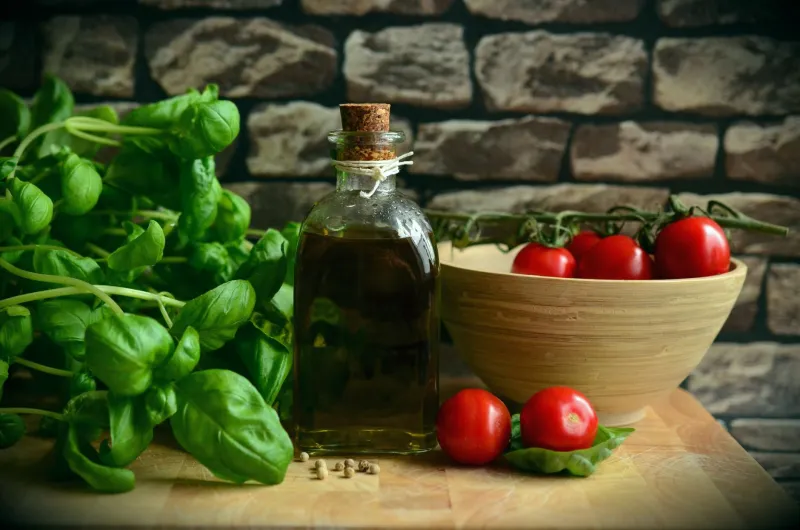
A lot of Americans encounter kemangi at Indonesian or Southeast Asian restaurants and assume it's just another basil variety. It's not quite. Botanically known as Ocimum × africanum (sometimes classified under Ocimum basilicum var. citriodorum), kemangi has a distinctly lemony, almost floral aroma that sets it apart from the Italian basil you'd throw on a Margherita pizza or the punchier Thai basil in a pad see ew.
In Indonesian cooking, kemangi is often eaten raw — piled fresh alongside grilled fish, tucked into salads, or scattered over rice dishes as a finishing herb. That matters, because a lot of its most interesting compounds are heat-sensitive. Indonesian grandmothers weren't following a clinical protocol when they served it fresh. They were just doing what tasted right and what had worked for generations. Turns out, they were also preserving the most bioavailable version of the plant.
The Compounds That Have Researchers Paying Attention
Here's where it gets interesting. Kemangi contains a concentration of eugenol, linalool, and rosmarinic acid — compounds that have been showing up in pharmacological research for their anti-inflammatory, antimicrobial, and antioxidant properties.
Rosmarinic acid, in particular, has been studied for its potential role in managing oxidative stress, which is linked to a long list of chronic conditions Americans deal with at high rates — cardiovascular disease, type 2 diabetes, and certain inflammatory disorders among them. Early research, including studies published in journals focused on natural product pharmacology, suggests that rosmarinic acid may inhibit certain inflammatory pathways in ways that are genuinely worth further investigation.
Eugenol — also found in cloves — has been studied for its analgesic and antimicrobial properties. Linalool, which gives kemangi that soft floral note, has been explored in the context of anxiety reduction and sleep quality, though most of that research is still in early stages.
None of this is a cure. None of this should replace a prescription. But taken together, it paints a picture of a plant that isn't just a garnish.
Traditional Use as a Starting Point, Not a Finish Line
In Indonesian folk medicine — part of a broader system sometimes called jamu — kemangi has historically been used to address everything from bad breath and body odor to digestive complaints and postpartum recovery. Some of these uses sound almost quaint from a Western clinical perspective. Others align surprisingly well with what the early science is suggesting.
The digestive applications, for instance, track with what we know about kemangi's antimicrobial properties. The plant has shown activity against certain strains of bacteria in laboratory settings, which could explain why it's been a traditional remedy for stomach upset for so long. Whether that translates meaningfully to human digestion at the quantities you'd consume in a meal is still an open question — but it's a question worth asking.
That's exactly the point. Traditional knowledge isn't the same as clinical evidence, but it's not worthless either. It's a signal. A direction to look. Indonesian cooks didn't have randomized controlled trials. They had centuries of observation, passed down through recipes and kitchen habits. That's a different kind of data, but it's data.
How to Actually Eat More of It
The good news: kemangi is easy to grow in most US climates during warm months, and it's increasingly available at Asian grocery stores in cities with significant Southeast Asian communities. You can also find seeds through specialty herb suppliers online.
If you want to eat it the way Indonesian cooks do — which is also the way that preserves most of its active compounds — here are a few straightforward approaches:
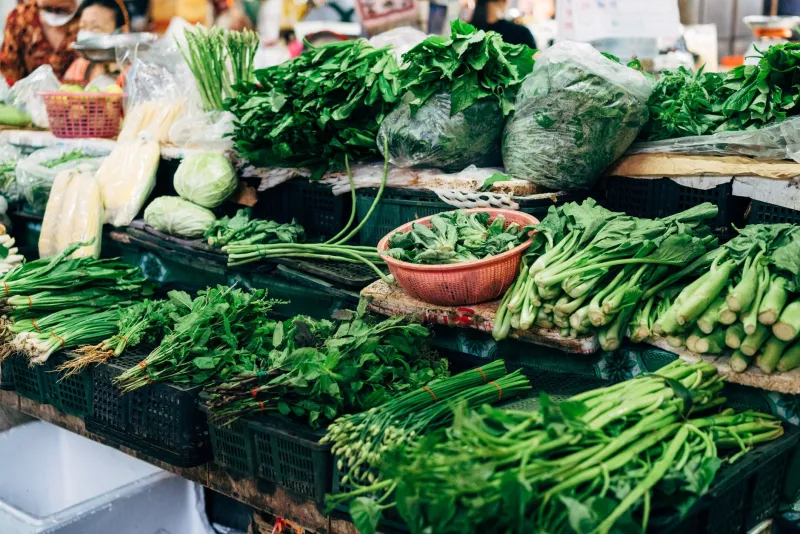
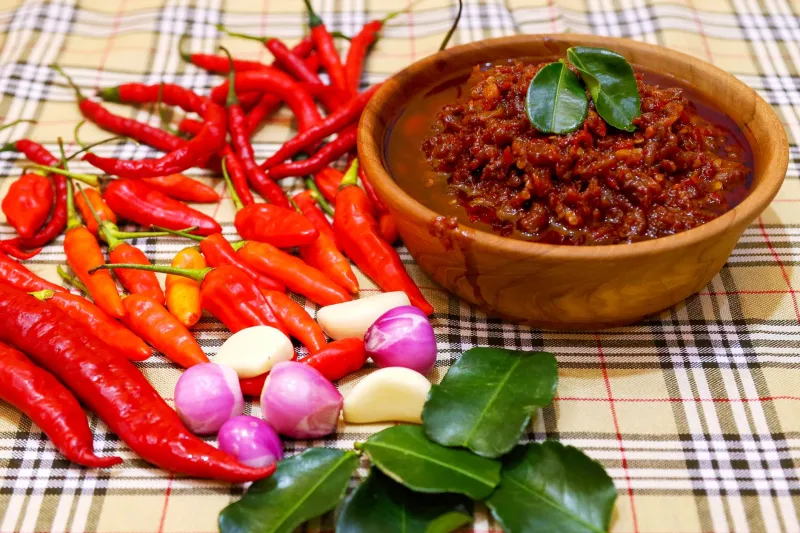
Raw in a simple lalapan spread. Lalapan is essentially an Indonesian crudité plate: fresh raw vegetables and herbs served alongside a protein and sambal. Kemangi is a staple here. Just wash, dry, and pile it on the plate. That's it.
Torn into a warm broth at the last second. If you're making a light chicken or vegetable broth, tearing a handful of kemangi into the bowl right before serving adds fragrance and keeps the heat exposure minimal.
Blended into a fresh herb sauce. Think of it like a lighter, citrusy pesto — kemangi, a little garlic, a squeeze of lime, some olive oil or coconut oil. Spoon it over grilled fish or roasted vegetables.
Mixed into a cucumber and tomato salad. This is a dead-simple preparation that shows up all over Indonesian home cooking. Slice cucumbers and tomatoes, add fresh kemangi, dress with a little lime juice and a pinch of salt. Done.
The Conversation Worth Starting
Here's the practical takeaway for anyone reading this in the US: if you're already eating kemangi, or you're about to start, mention it to your doctor or registered dietitian. Not because you need permission to eat an herb, but because these conversations are how medical professionals start building a more complete picture of what their patients are actually putting in their bodies.
A lot of practitioners genuinely don't know much about Indonesian culinary herbs. That's not a criticism — it's just a gap. And gaps get filled when patients bring information in from their own lives. You might be surprised how receptive a good doctor is when you say, "I've been reading about the anti-inflammatory compounds in this herb I cook with — do you know anything about it?"
At Hijau Daun Kitchen, we think about food as the place where culture, health, and community overlap. Kemangi is a perfect example of that overlap — a leaf that tastes extraordinary, connects to a rich culinary tradition, and carries a pharmacological profile that modern science is only beginning to map.
Your doctor probably hasn't heard of it yet. But maybe they should.