Daun Kelor Is the Leaf Western Nutritionists Are Finally Talking About — Indonesian Grandmothers Never Stopped
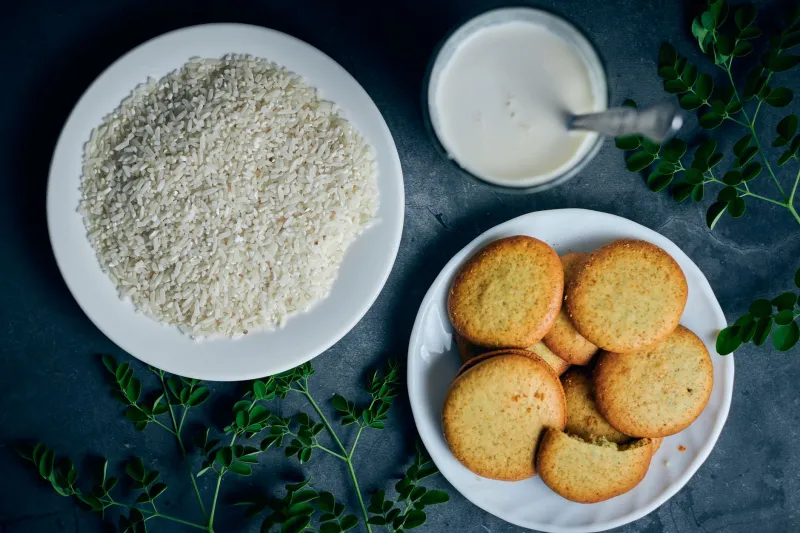
Walk into any health food store in the US right now and you'll probably spot a jar of moringa powder sitting between the spirulina and the ashwagandha. It'll cost you somewhere between $20 and $40, depending on the brand. The label will promise you antioxidants, energy, and maybe glowing skin. What it won't tell you is that in Indonesia, this same plant has been growing in home gardens and showing up in everyday meals for centuries — not as a wellness product, but just as food.
Daun kelor, as it's known across Indonesia, is the leaf of the Moringa oleifera tree. And the gap between how it's sold in American wellness culture versus how it actually lives in Indonesian kitchens is pretty telling.
What Is Daun Kelor, Exactly?
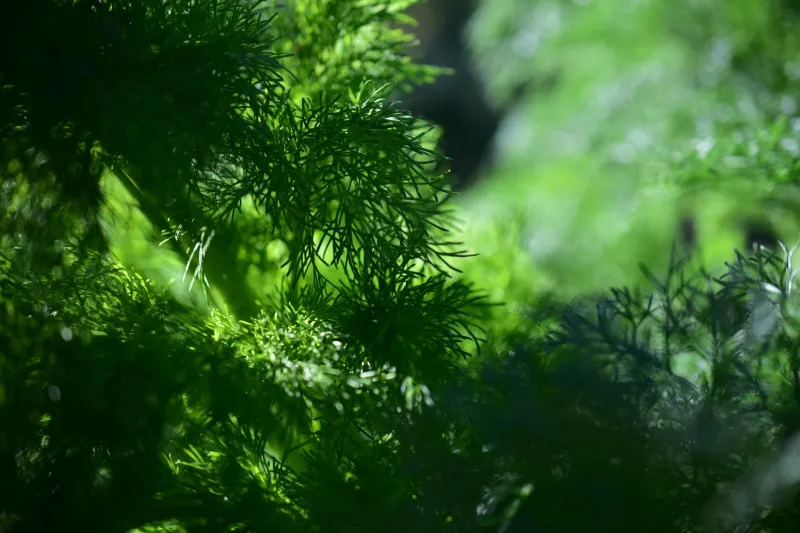
The kelor tree is a fast-growing tropical plant that can reach full leaf-bearing height in under a year. In Indonesia, it's the kind of thing that grows in the corner of a family garden almost without being asked to. The leaves are small, round, and grow in clusters along feathery stems. They have a mild, slightly earthy flavor — nothing aggressive, nothing that would make a picky eater flinch.
In Indonesian cooking, daun kelor shows up in sayur bening (a clear, lightly seasoned vegetable broth), stir-fried with garlic and a little shrimp paste, or mixed into simple vegetable dishes alongside other greens. It's not a special-occasion ingredient. It's a Tuesday ingredient.
That ordinariness is part of what makes it so interesting from a nutritional standpoint.
The Numbers Are Genuinely Hard to Dismiss
Nutritional research on moringa leaves has been building steadily over the past two decades, and the data keeps landing in the same place: this is a nutritionally dense leaf that outperforms a lot of what we're already eating.
Gram for gram, fresh moringa leaves contain more vitamin C than oranges, more calcium than milk, and more potassium than bananas. They're a solid source of iron, which matters especially for people managing anemia or following plant-based diets. They also carry a meaningful amount of complete protein — unusual for a leafy green — along with vitamins A, B6, and E.
Registered dietitian Maya Hendricks, who works with immigrant communities in the greater Los Angeles area, has been incorporating moringa into her nutritional guidance for several years. "What I find compelling about moringa isn't any single nutrient," she says. "It's the density across multiple categories at once. For clients managing blood sugar, inflammation, or just trying to eat more whole-food nutrition without spending a lot, this leaf checks a lot of boxes."
She's not wrong about the blood sugar piece. Several studies — including research published in the Journal of Food Science and Technology — have looked at moringa's effect on glycemic response and found that compounds in the leaves, particularly isothiocyanates, may help moderate blood sugar spikes. For the roughly 37 million Americans living with diabetes and the 96 million more with prediabetes, that's not a trivial detail.
What Indonesian Home Cooks Have Been Doing All Along
Siti Rahayu has been cooking daun kelor since she was a child in East Java. Now living in Houston, she grows a kelor tree in her backyard and uses the leaves almost weekly. When asked about the health angle, she laughs a little.
"We didn't think about it as medicine," she says. "My mother cooked it because it was there, because it was cheap, because it tasted good in broth. But she also always said it was good for you — good for nursing mothers, good for children, good when you were tired."
That last part isn't just family lore. Traditional Indonesian medicine, jamu, has long incorporated daun kelor as a tonic for fatigue, postpartum recovery, and general vitality. Nursing mothers in particular have been given kelor-based dishes for generations, a practice now supported by research showing the leaf's high iron and calcium content can help replenish nutrients depleted during pregnancy and breastfeeding.
Siti's go-to weeknight dish is sayur bening daun kelor — a broth made with water, a little garlic, shallots, a piece of corn, and a handful of kelor leaves added at the very end. "You don't cook the leaves long," she emphasizes. "Maybe two minutes. Just until they turn bright green. That's it."
That instinct to cook briefly is actually nutritionally sound. Heat-sensitive vitamins like vitamin C degrade with extended cooking, so the Indonesian habit of adding greens at the last minute preserves more of what you're eating them for.
The Cognitive Health Connection
One of the more recent areas of moringa research that's getting attention involves brain health. A 2019 study in the journal Antioxidants highlighted the neuroprotective potential of moringa leaf extract, pointing to its ability to reduce oxidative stress in brain tissue — a factor implicated in cognitive decline and neurodegenerative conditions.
For Americans increasingly anxious about Alzheimer's risk and cognitive aging, this line of research is worth watching. It's early, and no one should be throwing out their doctor's advice in favor of soup. But the fact that a leaf with this kind of preliminary research profile has been sitting in Indonesian kitchens for centuries — while American consumers pay premium prices for it in capsule form — is worth pausing on.
"The supplement industry does a good job of extracting one thing from a plant and selling it back to you," says Hendricks. "What gets lost is the context of how these foods were actually eaten — as part of a whole meal, combined with other ingredients, cooked in ways that preserve what matters."
How to Actually Use It in Your Kitchen
If you're in the US, finding daun kelor fresh is increasingly possible at Southeast Asian grocery stores, some farmers' markets, and — if you're in a warmer climate zone — by growing your own. The kelor tree is remarkably easy to grow in USDA zones 9 through 13, and it's drought-tolerant once established.
For dried moringa leaves, which are more widely available, the flavor is more concentrated. You can crumble them into soups, mix them into rice, or add them to scrambled eggs. Fresh leaves are more delicate and work best in light broths or quick sautés.
A few starting points:
- Sayur bening daun kelor: Simmer a simple broth with shallots, garlic, and corn. Add a large handful of fresh kelor leaves in the last two minutes. Season with salt and a little palm sugar if you have it.
- Kelor stir-fry: Sauté garlic and a small amount of shrimp paste (or skip it for a vegan version) in oil, add fresh kelor leaves, toss for two minutes, serve over rice.
- Kelor egg scramble: Fold a tablespoon of dried moringa leaves into eggs before scrambling. The flavor is mild enough that most people won't even clock what the green flecks are.
The Bigger Picture
Daun kelor's journey from Indonesian garden staple to American wellness shelf is a familiar story — a plant that communities have used practically and wisely for generations gets rediscovered by Western science, repackaged, and sold at a markup. There's nothing wrong with moringa reaching more people, but something gets lost when the context disappears.
The context is this: daun kelor isn't magic, and it doesn't need to be. It's a nutritious, affordable, easy-to-grow leaf that tastes good in simple food. Indonesian home cooks figured that out a long time ago. The research is just now confirming what the cooking already knew.