Build Once, Cook Forever: The Green Sambal Base Every American Kitchen Is Missing
Most American cooks think of condiments as finishing touches. A squeeze of hot sauce here, a dollop of sriracha there. But in Indonesian kitchens — especially the ones where green leaves do the heavy lifting — condiments aren't afterthoughts. They're the foundation.
That's the idea behind a green sambal base. Not a sauce you make for one dish, not a paste you use up in a week. A jar of concentrated, shelf-stable flavor that you built once and pull from constantly. It's the kind of thing your fridge has probably been missing without you knowing it.
Let's talk about how to make one, what goes in it, and why it'll quietly become the most-used thing on your kitchen shelf.
What Even Is a Sambal Base?
Sambal is a broad term in Indonesian cooking. Most Americans know it as something fiery and red — sambal oelek, the stuff in the rooster jar. But green sambal has its own long tradition, and it operates differently. Where red sambal punches with dried chili heat, green sambal carries a brighter, more herbal kind of intensity. It's layered. It smells like a garden and hits like a condiment.
A sambal base takes that concept one step further. Instead of making a fresh sambal for each meal — which is totally valid but also kind of exhausting — you build a concentrated version that ferments slightly over time, developing depth the way a good sourdough starter does. You keep it going. You add to it. You use a spoonful here and there, and somehow the jar never quite empties.
This isn't a new idea in Indonesia. Home cooks have been doing this for generations. It's just new to most American kitchens, and that's honestly a shame.
The Green Ingredients That Make It Work
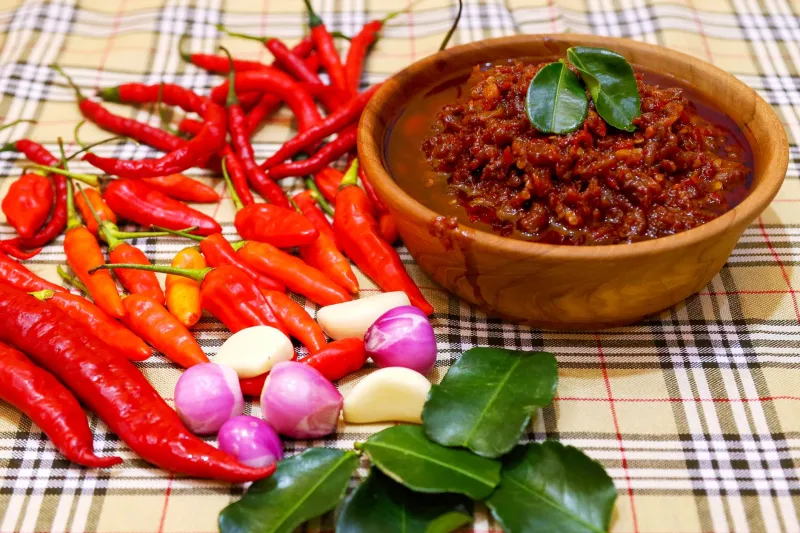
The backbone of a good green sambal base is fresh green chilies — Indonesian varieties like rawit hijau (green bird's eye chili) are ideal, but serrano or green Thai chilies from your local Asian grocery are a solid substitute if you're not growing your own yet.
From there, the green layers stack up:
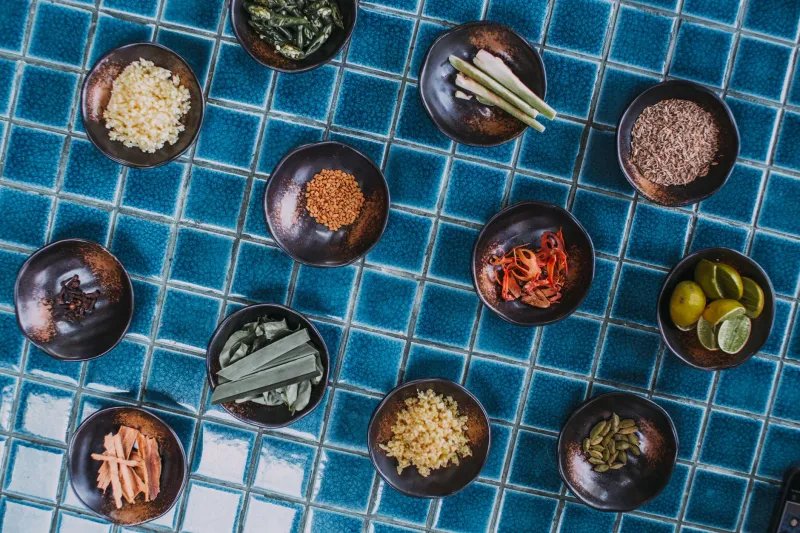
- Kemangi (Indonesian lemon basil): Brighter and more citrusy than Italian basil, this is what gives the base its signature lift. If you're growing it in your backyard (and you should be — it's incredibly easy in most US climates), grab a generous handful.
- Daun jeruk (kaffir lime leaves): These add a floral, almost perfumed note that cuts through the heat. You can find them fresh or frozen at most Asian markets. Don't skip them.
- Serai (lemongrass): Just the tender inner stalk, bruised and roughly chopped. It brings a grassy warmth that ties everything together.
- Bawang putih (garlic) and bawang merah (shallots): The savory base that makes everything else make sense.
- A little salt and a splash of lime juice: Both for flavor and for preservation.
That's it. No exotic equipment, no hard-to-find powders. Just leaves, aromatics, and time.
Making the Base: Low Effort, High Payoff
The process is straightforward enough that you can do it on a Sunday afternoon while something else is in the oven.
Step one: Roughly chop your chilies, shallots, garlic, and lemongrass. Tear the kaffir lime leaves off their stems. Pull the kemangi leaves from their stalks.
Step two: Pulse everything in a food processor — not to a smooth paste, but to a coarse, textured mix. You want some chunkiness. That texture matters for how it ferments and how it behaves in cooking.
Step three: Heat a couple tablespoons of neutral oil (coconut oil works beautifully here) in a heavy pan over medium heat. Add your green mixture and cook, stirring frequently, for about 12 to 15 minutes. You're not frying it aggressively — you're driving off moisture and coaxing the flavors to meld. The color will deepen slightly. The smell will be extraordinary.
Step four: Season with salt, stir in a squeeze of fresh lime juice, and let it cool completely before jarring.
Stored in a clean glass jar with a thin layer of oil on top to seal it, this base keeps in the fridge for three to four weeks easily. If you want to stretch it further, freeze portions in an ice cube tray and pop out a cube whenever you need it. It holds in the freezer for up to six months without losing much.
The Fermentation Option (Worth It)
If you want to take it a step further, skip the cooking step and go raw. Pack the blended green mixture into a jar, press it down firmly to minimize air pockets, add a teaspoon of salt per cup of mixture, and leave it at room temperature for 24 to 48 hours. You'll see small bubbles start to form — that's the fermentation kicking in.
The result is funkier, more complex, and honestly more interesting. The heat mellows slightly while the herbal notes get more pronounced. It's closer to what you'd find in a traditional Indonesian household that's been maintaining a sambal jar for years.
Once fermented to your liking, move it to the fridge to slow things down. It'll keep for two to three weeks and get better as the days go on.
Now Use It on Everything
Here's where it gets fun. The whole point of a base like this is that it doesn't belong to one cuisine. It belongs to whatever you're cooking tonight.
Pasta: Swirl a spoonful into aglio e olio right before serving. The green sambal base replaces about half the garlic and adds a herbal heat that makes the dish feel completely different — in the best way.
Tacos: Mix it into sour cream or plain Greek yogurt for an instant green sauce that works on fish tacos, chicken tacos, roasted vegetable tacos. It's bright, it's spicy, it has that citrusy kaffir lime thing going on that makes people ask what's in it.
Eggs: A small spoonful in scrambled eggs while they're still soft. Or fried into the pan first, then crack the eggs over it. Either way, you'll never go back to plain eggs.
Grain bowls: Thin it out with a bit of coconut milk and use it as a dressing over rice, farro, or quinoa. Add some roasted vegetables and you've got a full meal.
Marinades: A tablespoon or two mixed with soy sauce and a bit of sesame oil makes an excellent quick marinade for chicken thighs or tofu.
Soups: Drop a spoonful into any broth-based soup in the last few minutes of cooking. It'll add a layer of complexity that store-bought stock simply can't provide.
One Jar, Many Kitchens
There's something deeply satisfying about a condiment that crosses borders without trying to. The green sambal base doesn't ask you to cook Indonesian food specifically — it just asks you to cook better, with more intention, with more flavor built in from the start.
That's what Indonesian green-leaf cooking has always been about, really. Not rigid rules or complicated techniques, but a way of thinking about ingredients as tools. The leaf isn't a garnish. The herb isn't decoration. They're the point.
Start with one jar. See what it does to your weeknight cooking. We're pretty confident you'll be making a second batch before the first one runs out.