One Leaf, Infinite Heat: The Indonesian Herb That Makes American Hot Sauce Look Flat
Pick up a bottle of your favorite American hot sauce. Read the label. Vinegar, peppers, salt. Maybe garlic. Maybe a citrus note if the brand's feeling adventurous. It's a formula that works — nobody's arguing that. But once you've eaten real sambal made with fresh Indonesian herbs, that bottle starts to feel a little one-dimensional.
The difference usually comes down to one ingredient: daun kemangi, the Indonesian lemon basil. It's a leaf so aromatic, so layered in its flavor chemistry, that it fundamentally changes what a chili sauce can be. It's not just about adding heat. It's about building something that lingers, evolves, and actually makes you curious about the next bite.
Let's talk about why this single herb is doing work that most American condiment makers haven't even thought about.
What Exactly Is Daun Kemangi?
Daun kemangi (Ocimum × africanum, sometimes classified as Ocimum basilicum var. citriodorum) is the lemon basil that grows wild in Indonesian home gardens, lines the edges of rice paddies, and shows up on the table as a fresh garnish in dishes from Sumatra to Java. The name literally means "basil leaf" in Indonesian, but calling it just "basil" is like calling a trumpet just a "horn."
Compared to the Italian sweet basil most Americans know from their grocery store, daun kemangi is thinner, lighter, and carries a citrus-forward scent that's almost floral. Crush a leaf between your fingers and you get this bright, lemony hit followed by a cool, almost mentholated finish. That combination — citrus up front, herbal in the middle, cool at the end — is exactly what makes it so powerful in sambal.
In Indonesia, it's often eaten raw. Piled on top of grilled fish. Stirred into soups at the last second. Tucked into rice wraps. The point is always the same: don't kill the volatile oils with too much heat. Let the leaf speak.
The Science Behind the Magic
Here's where it gets interesting. Daun kemangi's flavor complexity isn't just a happy accident of geography. It's chemistry.
The leaf is rich in linalool, a naturally occurring terpene alcohol that's responsible for that floral, slightly citrusy aroma. It also contains eugenol (the same compound that gives cloves their distinctive warmth) and citral, which is the primary aromatic compound in lemon zest. That's three distinct flavor molecules working at the same time, which is why a single leaf can smell like three different things depending on how you handle it.
When you add daun kemangi to sambal — especially a raw or lightly cooked version like sambal matah from Bali — those volatile compounds interact with the capsaicin from the chilies. The result isn't just "spicy with a hint of herb." The linalool softens the sharp edges of the heat. The eugenol adds a warm, almost sweet undertone. The citral cuts through the fat in coconut oil and keeps the whole thing from feeling heavy.
American hot sauces are almost entirely built around capsaicin management — how to amplify it, how to balance it with acid. What they're missing is this kind of aromatic scaffolding that makes the heat feel intentional rather than aggressive.
Why You Won't Find This at Whole Foods
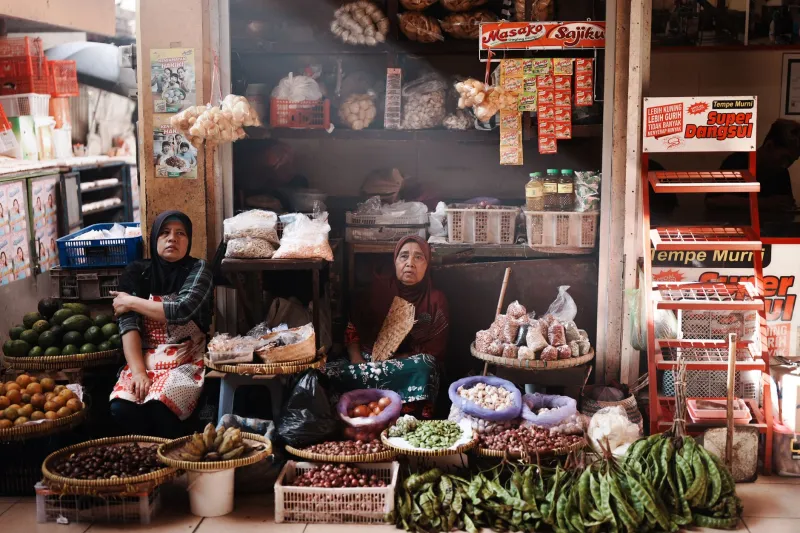
Fresh daun kemangi is almost impossible to find in American grocery stores, even in cities with strong Southeast Asian communities. Thai basil shows up occasionally. Regular sweet basil is everywhere. But lemon basil — the real thing, not a dried approximation — almost never makes it to the produce aisle.
Part of the problem is shelf life. Daun kemangi wilts fast. It's a warm-climate herb that doesn't love refrigeration, and its delicate leaves bruise easily in transit. The economics of supermarket produce just don't favor it.
The other part is that American food culture hasn't fully discovered it yet. Thai cuisine introduced lemon basil to some food-forward circles, but the Indonesian culinary tradition — which uses it more aggressively and more creatively — hasn't had the same cultural moment in the US.
That's actually good news for home growers.
Growing It in Your Backyard (It's Easier Than You Think)
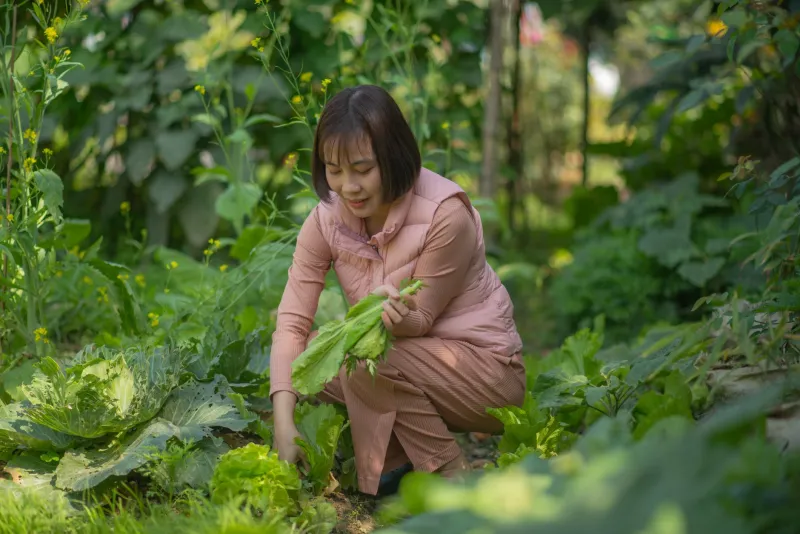
Daun kemangi is a warm-season annual that thrives in the same conditions as regular basil — which means if you've ever successfully grown basil in an American garden, you can grow this.
Start seeds indoors about 6 weeks before your last frost date. It germinates quickly, usually within 7–10 days, and transplants well once nighttime temperatures stay above 55°F. It loves full sun and well-draining soil. Water consistently but don't let it sit in soggy ground.
The main difference from Italian basil: daun kemangi bolts a little faster in heat, so pinch the flower heads early and often to keep the leaf production going. Once it flowers, the leaves lose some of that bright citrus intensity — not useless, but not at peak flavor.
In USDA zones 9–11 (Southern California, Florida, Texas Gulf Coast), it can behave almost like a perennial if you protect it from frost. In colder zones, treat it like a summer crop and grow it hard from May through September.
Container gardening works great here. A 12-inch pot on a sunny balcony will give you more fresh kemangi than most recipes call for.
The Sambal That Changes Everything: Sambal Matah
Once you have fresh daun kemangi in hand, this is where you start.
Sambal matah is a raw Balinese condiment — no cooking required. It's bright, oil-slicked, and absolutely electric. Here's a simple version to get you started:
What you need:
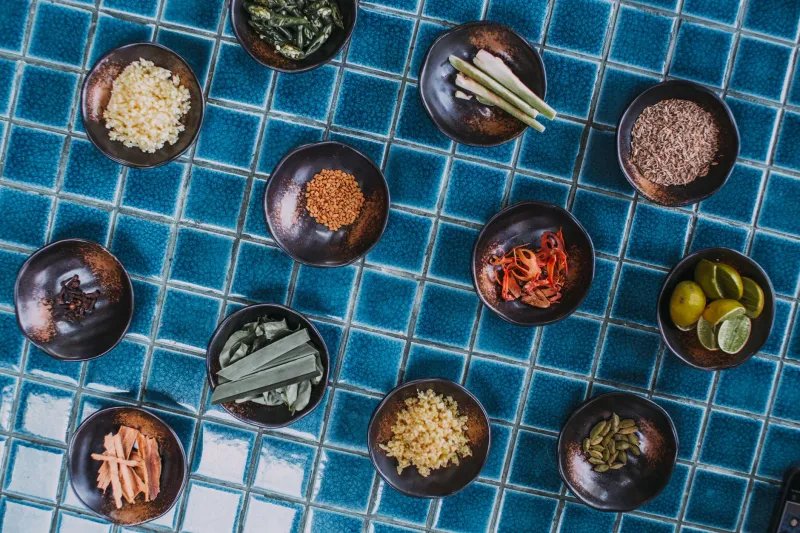
- 6–8 fresh bird's eye chilies, thinly sliced (adjust to your heat tolerance)
- 4 shallots, thinly sliced
- 2 stalks lemongrass, white part only, very thinly sliced
- 3 makrut lime leaves, central rib removed, sliced into thin ribbons
- A large handful of fresh daun kemangi leaves, roughly torn
- 3 tablespoons coconut oil, heated until just smoking
- 1 teaspoon shrimp paste (terasi), toasted — optional but worth it
- Salt and a squeeze of lime to finish
How to make it: Combine the chilies, shallots, lemongrass, lime leaves, and kemangi in a heatproof bowl. Pour the hot coconut oil directly over everything and stir quickly — the sizzle is the point, it blooms the aromatics without cooking them to death. Add the toasted shrimp paste if using, season with salt, and finish with lime juice. That's it.
The kemangi goes in last, after the oil hits, so the heat just kisses the leaves instead of wilting them completely. You want texture. You want some of those volatile oils still intact.
Serve it on grilled fish, spooned over fried rice, or honestly just eat it with plain steamed rice and a fried egg. It will make you rethink what a condiment is supposed to do.
The Bigger Picture
Daun kemangi isn't just an interesting ingredient — it's a lens through which you can understand how Indonesian cooking works. Flavor isn't built through reduction and concentration the way it often is in French or American cooking. It's built through layering aromatics at different stages, protecting the most delicate compounds from heat, and trusting that freshness is its own kind of seasoning.
Once you start thinking that way, the whole kitchen opens up. And it all started with one leaf from a garden that's been growing this stuff for centuries.
Grow some this summer. Make the sambal. Then go back to that hot sauce bottle and see if it still does the job.