Skip the Supplement Aisle: How Indonesian Home Gardens Are Beating the Wellness Industry at Its Own Game
Walk into any Whole Foods or scroll through your Instagram feed long enough and you'll eventually land on a $40 bottle of liquid chlorophyll, a $60 tub of greens powder, or some influencer swearing that a $25 moringa capsule changed their life. The US wellness supplement market is enormous — and it's growing fast.
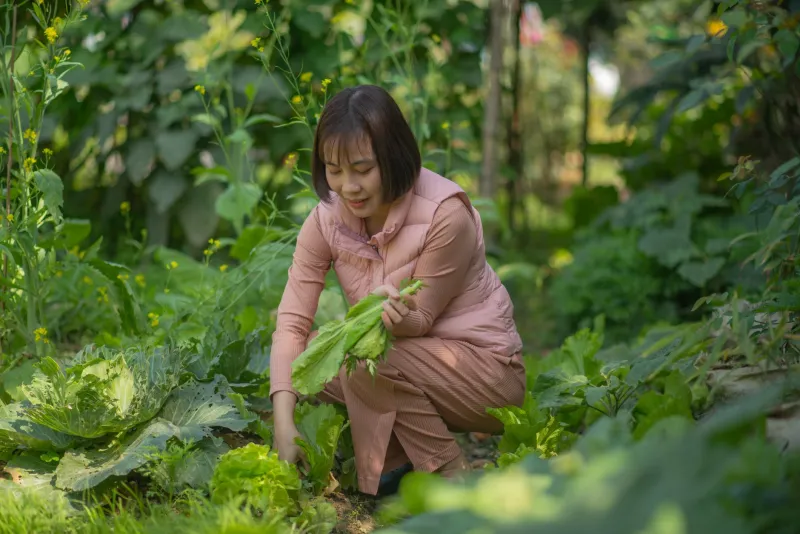
Here's the thing, though. Indonesian home cooks have been getting those same nutrients — sometimes in higher concentrations — straight from their gardens for centuries. No capsules. No powders. No subscription boxes. Just soil, sunlight, water, and a little bit of know-how passed down through generations.
At Hijau Daun Kitchen, "hijau daun" literally means "green leaf," and there's a reason we built a whole brand around that idea. The leaf is the thing. It always has been.
What's Actually in These Greens (And Why It Matters)
Chlorophyll gets all the marketing attention right now, but it's really just one piece of a much bigger nutritional picture. What makes Indonesian leafy greens genuinely impressive isn't a single compound — it's the density of micronutrients packed into relatively humble plants that grow easily in home gardens.
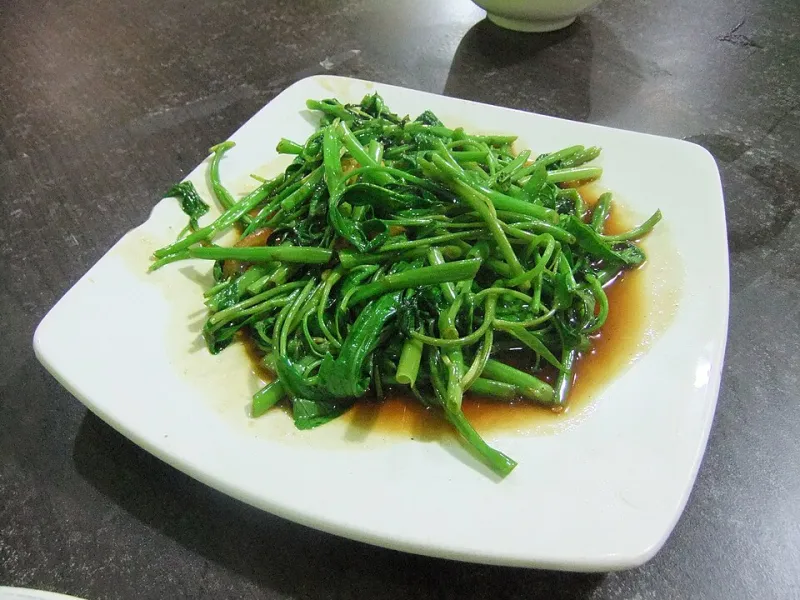
Take kangkung (water spinach). It's one of the most common vegetables in Indonesian cooking, cheap at Asian grocery stores, and stupidly easy to grow in a pot on a sunny patio. But nutritionally? Kangkung delivers iron, vitamin C, beta-carotene, and a solid hit of folate in a single serving. The vitamin C content is particularly useful because it helps your body actually absorb the iron — a pairing that a lot of expensive supplements try to replicate artificially.
Daun singkong (cassava leaves) are another powerhouse that most Americans have never heard of. The leaves — not the root, which is what most people know — contain significant amounts of protein for a leafy green, along with calcium, phosphorus, and a range of B vitamins. Traditional Indonesian cooking typically involves boiling the leaves and incorporating them into rich coconut-based dishes, which also happens to improve fat-soluble vitamin absorption. That's not a coincidence. It's centuries of intuitive food science.
And then there's daun kemangi, the Indonesian lemon basil that shows up in sambals, salads, and as a fresh garnish across the archipelago. Beyond its bright, citrusy flavor, it contains eugenol and other volatile compounds that have been studied for their anti-inflammatory and antimicrobial properties. You can grow a pot of it on a windowsill. It costs almost nothing.
Why Fresh Beats Processed Every Time
Here's where the supplement industry has a real problem. Most of the beneficial compounds in green vegetables — chlorophyll, certain antioxidants, volatile oils — begin degrading the moment a leaf is harvested. By the time plant material gets dried, powdered, encapsulated, shipped, warehoused, and stocked on a shelf, a meaningful percentage of its nutritional potency has already walked out the door.
Growing your own changes that equation completely. When you harvest kangkung leaves in the morning and cook them for dinner that evening, you're working with a product at peak freshness. The gap between garden and plate is measured in hours, not months.
Research backs this up. Studies on leafy vegetables consistently show that vitamin C content, in particular, drops sharply after harvest — sometimes losing 15 to 50 percent within just a few days of refrigerated storage, depending on the variety and handling. Cooking methods matter too. Indonesian techniques like quick stir-frying over high heat (tumis) or adding greens to a dish right at the end of cooking are actually quite good at preserving heat-sensitive nutrients compared to long boiling or steaming.
Harvesting for Maximum Potency
The way you harvest matters more than most people realize. A few practical tips that Indonesian gardeners have used forever:
Harvest in the morning. Plants accumulate sugars and nutrient-rich compounds overnight. Morning harvesting, before the heat of the day causes any wilting, captures leaves at their most nutrient-dense.
Take the younger leaves first. Younger, smaller leaves tend to have higher concentrations of antioxidants and vitamins than older, tougher leaves lower on the plant. This is especially true for kangkung and daun kemangi.
Don't wash until you're ready to cook. Water on the leaf surface accelerates degradation. Rinse right before cooking, not right after harvesting.
Harvest regularly. Consistent harvesting encourages new growth and keeps plants producing tender, nutritious leaves rather than going to seed and toughening up.
Three Greens Worth Growing Right Now
If you're new to Indonesian leafy greens and want to start somewhere practical, these three are your best entry points — especially if you're motivated by both flavor and nutrition.
Kangkung grows aggressively in warm weather and can even be grown in a container of water on a sunny balcony. It's ready to harvest in about 30 days from seed. Stir-fry it with garlic and a splash of soy sauce for one of the fastest, most nutritious meals you can make.
Daun kemangi (Indonesian lemon basil) thrives in pots, loves full sun, and bolts more slowly than standard Thai basil. Use the fresh leaves as a finishing herb over grilled fish or rice dishes. Don't cook it — the volatile compounds that give it its health benefits are also what give it its flavor, and both disappear under heat.
Bayam (Indonesian spinach, a variety of amaranth) grows fast, tolerates heat better than Western spinach, and packs a nutritional punch that rivals kale. It's used in simple soups and stir-fries across Indonesia and adapts well to American growing conditions in USDA zones 8 through 11 — and as an annual just about everywhere else.
The Real Cost Comparison
Let's be honest about the economics here. A packet of kangkung seeds runs about $3 to $5. A bag of potting mix is maybe $10. With minimal effort and a sunny spot, you can be harvesting fresh, nutrient-dense greens within a month — and continue harvesting for an entire season. The math against a $45 greens powder that lasts 30 servings isn't even close.
More importantly, what you grow yourself connects to something that no supplement can replicate: the act of tending a plant, understanding where your food comes from, and cooking it in ways that actually taste good. Indonesian food culture has always treated the garden and the kitchen as extensions of each other. That's not a wellness trend. That's just a smart way to eat.
The supplement aisle will keep selling the idea that good nutrition has to be complicated and expensive. Your backyard — or your windowsill — is ready to prove otherwise.