Bitter Is Better: How Indonesian Dark Greens Are Winning Over Health-Conscious American Cooks
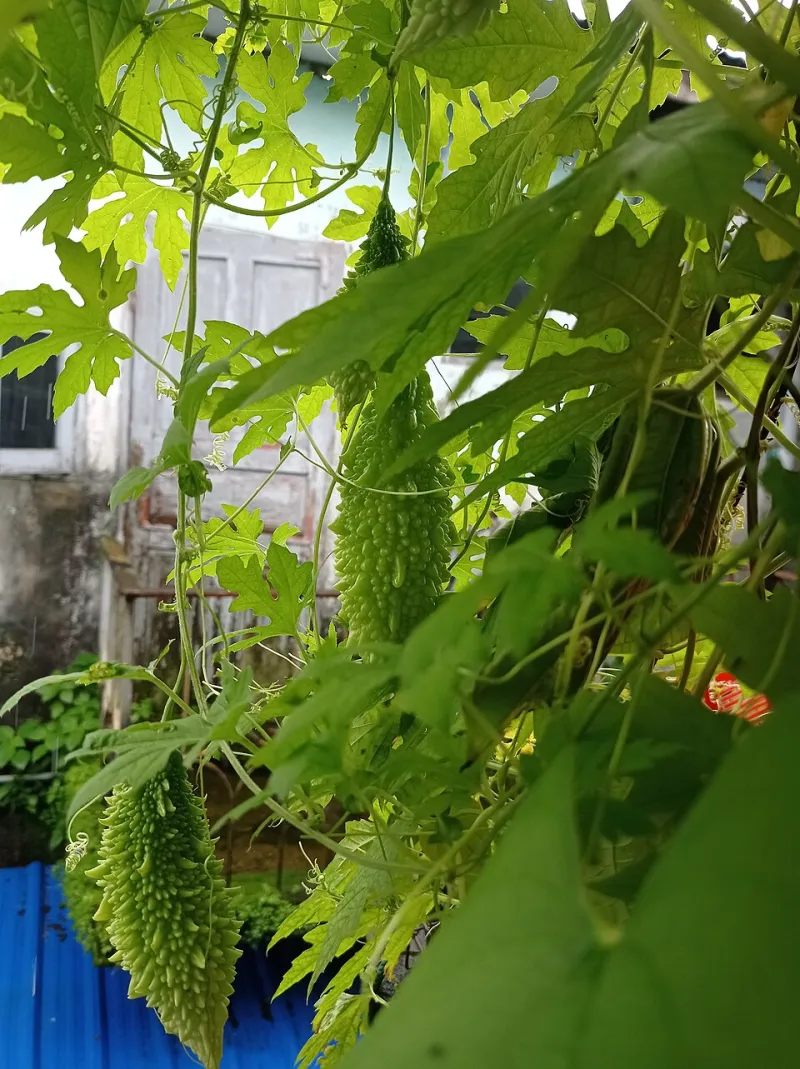
Photo: SarKaLay စာကလေး, CC BY-SA 4.0, via Wikimedia Commons
There's a moment that happens to almost every American who tries pare — Indonesian bitter melon — for the first time. The initial bite lands with a sharp, almost medicinal edge that the tongue wasn't expecting. Eyes widen. There's a pause. And then, slowly, something shifts. A warmth spreads. A savory depth follows. And before long, that same person is asking, where has this been all my life?
That moment is happening more and more across the US. At farmers markets in Los Angeles, in community gardens in Houston, at Indonesian pop-ups in New York — bitter greens that have anchored Indonesian cooking for centuries are finally finding their American audience. And it's not just food adventurers driving the trend. It's home cooks, nutritionists, and second-generation Indonesian-Americans who are tired of watching their family's most vibrant flavors get left off the table.
Why American Grocery Stores Taught Us to Fear Bitterness
Here's a little food history worth knowing: the American mainstream produce aisle has, for decades, been quietly engineered toward sweetness and mildness. Varieties of kale, spinach, and even arugula have been selectively bred to tone down their natural bitterness. The result is a vegetable culture that's technically green but often lacking in the complex flavor compounds that make produce genuinely interesting — and genuinely nutritious.
Bitter flavor in plants typically signals the presence of phytonutrients: antioxidants, alkaloids, and compounds like momordicin in bitter melon that researchers have linked to blood sugar regulation, digestive support, and anti-inflammatory activity. When we breed out bitterness, we're not just softening flavor — we're potentially softening nutritional impact.
Indonesian culinary tradition never made that trade-off. Greens like pare (bitter melon), daun pepaya (papaya leaf), daun singkong (cassava leaf), and daun kemangi (lemon basil) bring distinct, assertive personalities to the plate. They're not background players. They are the dish.
The Flavor Education Journey — And Why It's Worth Taking
Chef Dewi Santoso, an Indonesian-American cook based in the Bay Area who has been hosting traditional cooking workshops for the past six years, describes the process of introducing bitter greens to American home cooks as "retraining curiosity."
"Americans aren't afraid of bold flavor — look at how obsessed everyone is with hot sauce," she says. "The issue is that bitterness doesn't come with the same cultural context here. When you grow up eating pare in a sambal, you understand it. You know how to balance it. Without that context, people just taste 'weird.'"
Her approach in workshops is to never introduce bitter greens in isolation. Pare sautéed with eggs and a touch of palm sugar. Daun pepaya blanched and served alongside a bright peanut sauce. The bitterness becomes one note in a chord, and suddenly the whole thing makes sense.
Nutritionist and food educator Maria Chen, who works with multicultural communities in Chicago, echoes this strategy. "I always tell clients: bitterness is a flavor you grow into. Think about coffee, dark chocolate, craft beer. Americans have learned to love all of those. Indonesian greens are the next frontier."
She recommends a simple progression for bitter-curious home cooks:
- Start with daun kemangi — lemon basil has bitterness but it's layered under citrus and sweetness, making it the most approachable entry point.
- Move to daun singkong — cassava leaves, once properly boiled, have an earthy depth similar to collard greens, which many Americans already know.
- Graduate to pare — bitter melon rewards patience. Try it stir-fried with garlic, shrimp paste, and a small amount of coconut sugar to balance the edge.
Growing Your Own Changes Everything
One community where bitter greens enthusiasm has taken off in a surprising way is among backyard gardeners. Home growers in Southern California, Florida, and along the Gulf Coast — climates that generously support tropical plants — are discovering that pare vines and papaya trees aren't just ornamental. They're productive, low-maintenance, and deeply satisfying to cook with.
Linda Hartono, a home gardener in Tampa who grows both pare and papaya in her backyard, says the experience of harvesting her own daun pepaya completely changed her relationship with the flavor. "When you grow something yourself, you're invested. You're not going to waste it. So you learn to cook it properly, and then you realize it's actually amazing."
She now makes a simple daun pepaya stir-fry — blanched leaves, garlic, bird's eye chili, a splash of fish sauce — that her American-born husband, initially skeptical, requests on a near-weekly basis.
That's the thing about bitter greens: they tend to convert people. Slowly, then all at once.
Practical Tips for Introducing Skeptical Eaters
Not everyone in your household is going to immediately embrace pare. That's okay. Here are a few low-resistance ways to bring bitter Indonesian greens into your kitchen rotation:
- Blend daun singkong into a green curry base. The bitterness mellows significantly when cooked into a sauce, and the deep color is gorgeous.
- Add a few young papaya leaves to a smoothie. Combined with pineapple, ginger, and coconut water, the bitterness becomes almost imperceptible while the nutritional benefits remain.
- Use pare in a stir-fry with eggs and strong aromatics. The richness of eggs and the punch of garlic and chili create a flavor environment where bitterness feels purposeful rather than jarring.
- Salt and squeeze pare before cooking. Rubbing sliced bitter melon with salt and letting it sit for 15 minutes, then squeezing out the liquid, significantly reduces intensity without eliminating it entirely.
The Bigger Picture
The growing American appetite for Indonesian bitter greens isn't just a food trend. It reflects something broader: a cultural curiosity about flavor systems that don't prioritize sweetness and convenience above all else. Indonesian cuisine has always understood that complexity — including bitterness — is what makes food memorable.
At Hijau Daun Kitchen, we think of bitter greens as an invitation. They ask something of you. They require a little context, a little technique, a willingness to sit with an unfamiliar sensation and give it a chance to reveal itself.
And when it does? You'll wonder how you ever cooked without them.