7 Indonesian Green Dishes That Should Be on Every American Dinner Table (And None of Them Are Gado-Gado)
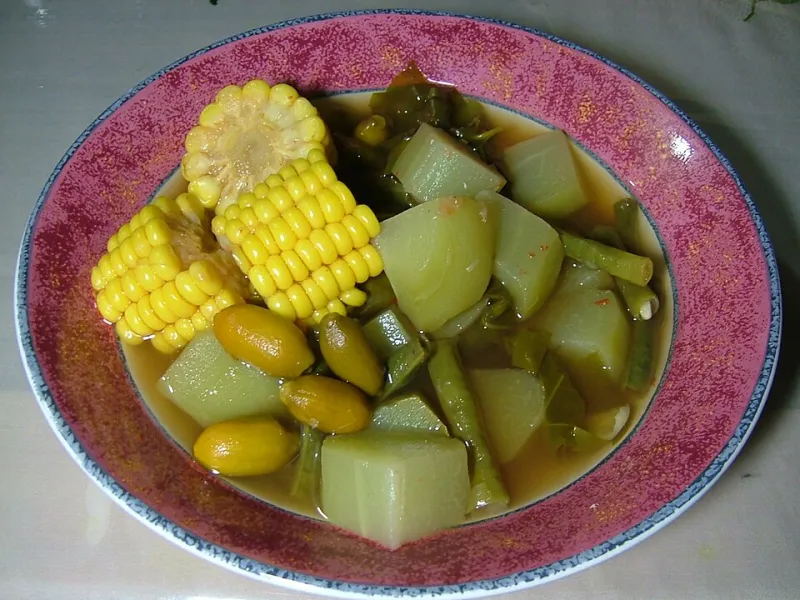
Photo: Sakurai Midori, CC BY-SA 3.0, via Wikimedia Commons
Gado-gado is great. We mean that sincerely—peanut sauce on blanched vegetables is a beautiful thing and we will defend it forever. But if gado-gado is the only Indonesian green dish you know, you're missing out on an entire universe of flavor.
Indonesian cooking has one of the richest traditions of vegetable-forward dishes in Southeast Asia, built on generations of home cooks who understood that a good handful of leafy greens, the right aromatics, and a bit of technique can produce something that makes any trendy grain bowl look pretty ordinary. Here are seven dishes that deserve a permanent spot in your rotation.
1. Tumis Kangkung with Sambal Terasi
What it is: Stir-fried water spinach with a punchy fermented shrimp paste sambal.
This is weeknight dinner perfection. Kangkung cooks in about three minutes over high heat, which means the whole dish—from cold pan to table—takes maybe fifteen. The sambal terasi base (shrimp paste, chilies, garlic, shallots) gets bloomed in oil until it's fragrant and deeply savory, then the kangkung goes in and gets tossed until just wilted. The result is smoky, spicy, and slightly funky in the best possible way.
Culturally, tumis kangkung is the kind of dish that shows up at virtually every Indonesian family table regardless of region or socioeconomic background. It's humble in the best sense—honest food that doesn't try to be anything other than delicious.
Nutrition angle: Kangkung is loaded with vitamins A and C, iron, and calcium. It compares favorably to kale on most nutritional metrics, and it's considerably easier to chew.
Finding the ingredients: Most Asian grocery stores carry kangkung (sometimes labeled "morning glory" or "ong choy"). Sambal terasi paste is available online if you can't find it locally—or make your own with dried shrimp paste from any Southeast Asian market.
2. Urap Sayur
What it is: A salad of mixed blanched vegetables tossed in a spiced, toasted coconut dressing.
Urap might be the most underrated dish in all of Indonesian cooking, and that's saying something. It's essentially a warm salad—typically a combination of long beans, bean sprouts, spinach, and sometimes cassava leaves—dressed in freshly grated coconut that's been seasoned with galangal, kaffir lime leaves, chilies, and a touch of palm sugar.
The coconut dressing is the thing. It's not wet or heavy; it clings to each vegetable and adds this nutty, aromatic quality that makes every bite interesting. Urap is traditionally served at ceremonial Javanese meals, but it's equally at home as a side dish on a Tuesday.
Finding the ingredients: Frozen shredded coconut (unsweetened) works perfectly here. Galangal and kaffir lime leaves are available fresh or frozen at most Asian markets, or dried online.
3. Daun Singkong Santan (Cassava Leaves in Coconut Milk)
What it is: Young cassava leaves slow-cooked in spiced coconut milk until tender and deeply flavorful.
This dish is a staple across Sumatra and has regional variations throughout the archipelago. The leaves are tough and need longer cooking than most greens—which is actually what makes them special. Over time, they absorb the coconut milk and spice paste (typically lemongrass, galangal, turmeric, chilies, and shallots), becoming silky and rich.
The flavor is earthy and complex in a way that's hard to describe until you've tried it. It's often served alongside grilled fish or rice, and it's the kind of dish that tastes even better the next day.
Important note: Raw cassava leaves contain compounds that need to be broken down by cooking. Always boil them in water first, drain, and then proceed with the recipe. Frozen cassava leaves, which are increasingly available at Southeast Asian markets, have often already been pre-processed.
4. Sayur Lodeh
What it is: A mild, coconut milk-based vegetable stew with an emphasis on whatever greens are in season.
Sayur lodeh is the Indonesian equivalent of a good vegetable soup—flexible, forgiving, and deeply comforting. The base is a spiced coconut broth, and the vegetables are whatever you have: young jackfruit, eggplant, long beans, chayote, and always some kind of leafy green. Spinach, kangkung, or even cabbage all work beautifully.
It's a dish that rewards improvisation, which makes it perfect for American home cooks who might not have every traditional ingredient on hand.
5. Pecel
What it is: Blanched greens served with a tamarind-spiked peanut sauce—the Javanese cousin of gado-gado, with a tangier, more complex profile.
If gado-gado is the dish that introduced the West to Indonesian peanut sauce, pecel is the version that dedicated fans eventually discover and fall even harder for. The sauce is typically thinner, brighter, and more acidic, with kaffir lime leaves and sometimes a touch of kencur (aromatic ginger) giving it a distinctive character.
The vegetable mix in pecel tends to be more herb-forward than gado-gado, often including daun kemangi, bean sprouts, and young cassava leaves alongside more familiar options.
6. Tumis Daun Pepaya (Stir-Fried Papaya Leaves)
What it is: Sautéed young papaya leaves cooked with garlic, shallots, and chilies.
Okay, this one takes a little courage if you've never had it. Papaya leaves are bitter—genuinely, assertively bitter—and that's exactly the point. In Indonesian cooking, that bitterness is balanced with aromatics and sometimes a small amount of coconut milk or anchovy to create something that's bracingly good.
Papaya leaves have a long history in Indonesian folk medicine and are increasingly recognized for their nutritional density. Finding them in the US is getting easier—look for them frozen at Southeast Asian markets, or grow your own papaya plant in a warm climate.
7. Botok Daun Kemangi
What it is: Steamed parcels of spiced coconut and kemangi (Indonesian lemon basil) wrapped in banana leaves.
Botok is a traditional Javanese preparation where a mixture of grated coconut, aromatics, and sometimes small pieces of fish or tofu gets wrapped in banana leaves and steamed until everything melds together into something soft, fragrant, and completely unlike anything else you've eaten.
Daun kemangi is the star here—its floral, lemony character perfumes the entire parcel. The banana leaf wrapper adds its own subtle grassy note. It's a dish that feels like an event to eat, even though it's humble in origin.
Botok is the kind of recipe that makes you understand why Indonesian cuisine deserves far more global recognition than it currently gets.
Start with One
You don't have to tackle all seven at once. Pick the one that sounds most doable—tumis kangkung is probably the easiest entry point—and work your way through the list. Each dish is a window into a different corner of Indonesian culinary culture, and every one of them puts leafy greens at the center in a way that's genuinely exciting.
That's what we're about here at Hijau Daun Kitchen: showing that green vegetables, cooked with care and seasoned with intention, can be the best thing on the table. No trends required.