How to Keep an Indonesian Herb Garden Alive All Winter Long—No Greenhouse Required
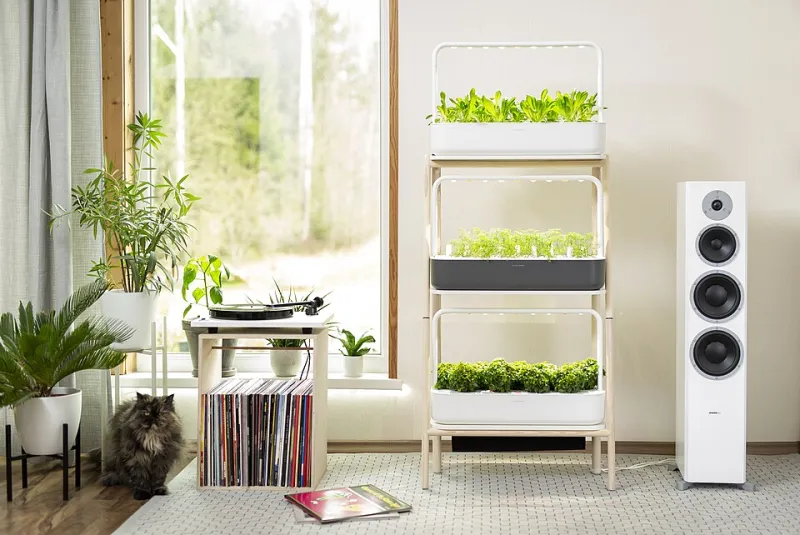
Photo: Janar Raidla, CC BY-SA 4.0, via Wikimedia Commons
If you've ever driven forty minutes to an Asian grocery store only to find wilted kangkung and sad, yellowing kemangi, you already know the struggle. Fresh Indonesian leafy herbs are genuinely hard to come by in most American cities, and the dried or frozen versions just don't cut it when you're trying to nail a proper tumis or a fragrant bowl of soto.
The good news? A small but growing community of Indonesian-American home gardeners has quietly cracked this problem—not with expensive greenhouses or elaborate hydroponic setups, but with a bit of creativity, some grow lights, and a whole lot of trial and error. We reached out to a few of them, and what they shared was equal parts practical and inspiring.
Why Tropical Greens Are Trickier Than Your Average Herb
Most American gardening advice is built around temperate-climate plants—basil that bolts in August, rosemary that survives a frost, mint that takes over your entire yard. Indonesian herbs operate by different rules. Plants like kangkung (water spinach), daun kemangi (Indonesian lemon basil), and daun pandan are native to humid, warm environments close to the equator. They want heat, they want moisture, and they really, really don't want your Ohio winter.
That said, "tropical" doesn't mean "impossible indoors." It just means you have to think differently about light, temperature, and humidity—three things you can actually control inside your home.
The Starter Lineup: Which Greens to Grow First
Not every Indonesian green is equally forgiving indoors. Here's where experienced growers suggest you start:
Kangkung (Water Spinach) is probably the most rewarding beginner plant for this project. It grows fast—sometimes alarmingly so—and tolerates a range of light conditions better than you'd expect. Nani Hartanto, who gardens in a Minneapolis apartment, grows kangkung in a deep plastic tub near a south-facing window supplemented with a basic LED grow light. "I harvest it every two weeks," she says. "It just keeps coming back."
Daun Kemangi is a little more particular. It needs warmth above almost everything else—keep it away from drafty windows, and don't let nighttime temps drop below 60°F. But the flavor payoff is enormous. Unlike Italian sweet basil, kemangi has a lemony, slightly clove-like aroma that's genuinely irreplaceable in Indonesian cooking.
Daun Salam (Indonesian bay leaf) is a slow grower but a resilient one. It does well as a potted plant year-round and can even spend summers outside on a patio before coming back in when temperatures dip.
Daun Pandan is the wild card. It's slow to establish, but once it does, it's nearly indestructible indoors. Reza Kusuma in Portland keeps a pandan plant that's been going for three years. "I basically ignore it and it's fine," he laughs.
Setting Up Your Indoor Growing Space
You don't need a dedicated room or a fancy setup. A sunny windowsill, a corner of your kitchen, or even a spot in a spare bedroom can work. Here's what actually matters:
Light
South-facing windows are your best friend in winter. If you don't have one—or if your window gets shaded by neighboring buildings—a simple full-spectrum LED grow light on a timer (14–16 hours per day) will do the job. You can find decent ones for under $40 on Amazon. Place it 6–12 inches above your plants and you're set.
Temperature
Aim to keep your growing area between 65°F and 80°F. Most American homes already sit in this range during winter. Just avoid placing plants near heating vents that blast dry, hot air, or near windows that get truly cold at night.
Humidity
This is where a lot of people lose the battle. Indoor heating dries the air significantly, and tropical plants hate that. A cheap humidifier near your plant area helps a lot. Alternatively, grouping plants together creates a little microclimate, and setting pots on trays filled with pebbles and water raises local humidity as it evaporates.
Containers and Soil
Kangkung, being semi-aquatic, loves consistently moist soil—a deeper pot with good drainage and frequent watering works well. Kemangi prefers a lighter, well-draining mix. A standard potting mix with a little added perlite is perfect. Go with terra cotta pots if you tend to overwater; plastic if your home runs dry and warm.
Sourcing Seeds and Cuttings
This part is easier than it used to be. Etsy has become a surprisingly good source for Indonesian herb seeds—search specifically for "kemangi seeds" or "kangkung seeds" and you'll find small sellers who specialize in Southeast Asian varieties. Online shops like Evergreen Seeds and Kitazawa Seed Company also carry a solid selection.
For kangkung especially, you can often skip seeds entirely. Buy a bunch from an Asian market, trim the bottom inch, and root it in a glass of water. Within a week, you'll see roots forming. Pot it up and you've got a free plant.
Real Talk: What to Expect
Indoor tropical gardening is a learning curve. Your first kangkung might get leggy before you figure out the light situation. Your kemangi might drop leaves when you move it. That's normal.
Nani puts it well: "The first winter I tried this, I killed everything. The second winter I figured out the humidity thing and suddenly it all clicked." She now supplies her entire extended family with fresh herbs through the cold months—a point of serious pride.
Start with just one or two plants. Get comfortable with their needs. Then expand. By next winter, you might just be the person your Indonesian-American friends are calling to borrow a handful of fresh kemangi.
A Small Garden, A Big Connection
There's something genuinely moving about growing these plants far from their origins. For a lot of Indonesian-American families, having fresh daun salam or pandan on hand isn't just a culinary convenience—it's a thread back to home, to grandmothers' kitchens, to flavors that don't exist in any grocery store aisle.
At Hijau Daun Kitchen, that's exactly the kind of green goodness we're here for. Whether your setup is a single pot on a windowsill or a whole shelf of grow lights, you're doing something worth doing. Now go find yourself some kangkung cuttings.