Green First: How Indonesian Cooks Build Flavor from the Leaf Up — and What That Means for Your Kitchen
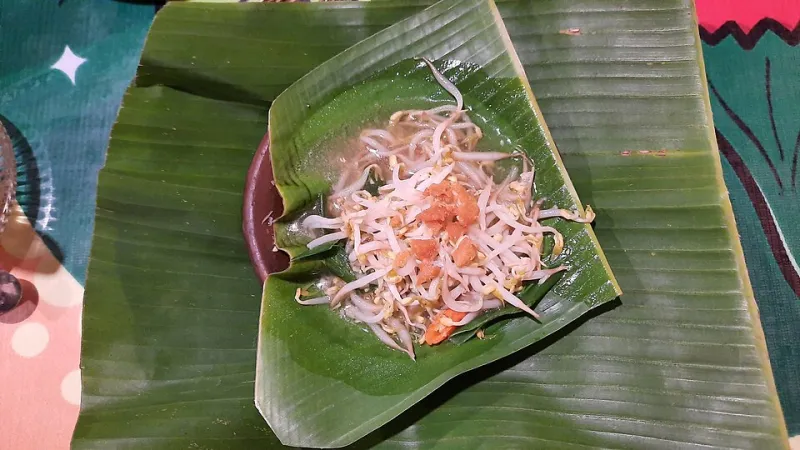
Photo: Bajinra, CC0, via Wikimedia Commons
There's a moment that happens in a lot of Indonesian home kitchens — a kind of instinctive reach. Before the protein hits the pan, before the sambal gets spooned out, before the rice is even scooped, the cook is already thinking about the green. Which leaf. How to prepare it. What it will bring to the table.
That instinct is the thing Western cooking has largely lost, and honestly, it's costing us a lot of flavor.
This isn't a lecture about eating more vegetables. This is about a fundamentally different culinary logic — one where leafy greens function as flavor anchors, not decorative filler, and where understanding that logic can make everything you cook taste more complete.
The Western Default (And Why It Falls Short)
Let's call it like it is: in most American cooking traditions, vegetables — and especially leafy greens — occupy a supporting role. They're the side salad. The steamed broccoli next to the chicken. The spinach that gets wilted into a pasta dish "for nutrition." Even in health-conscious American cooking, greens tend to be framed as virtuous additions, not flavor contributors.
This shows up in how recipes are written. The protein gets the headline. The sauce gets the paragraph of technique. The vegetable gets a sentence: "serve alongside steamed kale."
The result is food that's often nutritionally adequate but texturally and aromatically flat — meals where the greens taste like an obligation rather than a choice.
Indonesian cooking doesn't do this. And the difference isn't just cultural — it's chemical.
What Makes a Leaf Flavorful (Really)
Here's the thing that surprises a lot of people: many Indonesian leafy greens are genuinely high in glutamates — the naturally occurring compounds responsible for umami, that savory depth we associate with meat, aged cheese, and fermented foods. Kangkung, bayam (Indonesian spinach), daun singkong (cassava leaves), and katuk all carry meaningful levels of these compounds.
When you cook these greens with the right partners — fermented shrimp paste, fish sauce, coconut milk, or even a good quality soy sauce — you're not just seasoning them. You're triggering a kind of flavor multiplication. The glutamates in the leaf interact with the glutamates and nucleotides in the fermented condiments to produce something that tastes richer and more complex than either ingredient alone.
That's not a cooking trick. That's synergy, and Indonesian cooks have been using it intuitively for generations.
The Philosophy: Greens as the Meal's Center of Gravity
In traditional Indonesian home cooking, a dish like tumis kangkung (stir-fried water spinach with garlic, chili, and shrimp paste) isn't a side dish. It's a main event. It anchors the meal the way a protein anchors an American plate. The rice is the neutral base, the sambal provides heat and contrast, and the green is what ties everything together with body and flavor.
Similarly, sayur daun singkong — cassava leaves cooked down in coconut milk with galangal and lemongrass — is rich, complex, and deeply satisfying in a way that has nothing to do with meat. The leaves themselves, after slow cooking, develop a silky texture and an almost nutty depth that makes the dish feel substantial.
This is the key insight: Indonesian cooking treats the leaf's inherent character — its bitterness, its grassy brightness, its textural contribution — as something to be highlighted and worked with, not masked or minimized.
Where Western Kitchens Go Wrong
The most common mistake in Western kitchens when cooking with greens isn't undercooking or overcooking. It's under-seasoning at the wrong stage.
American recipes tend to add salt at the end, as a finishing touch. But leafy greens — especially slightly bitter or assertive ones — need seasoning introduced early and built in layers. When you add a pinch of salt to kangkung at the start of cooking, you're drawing out moisture and beginning to soften the cellular structure. When you add fermented shrimp paste (terasi) early in the oil, before anything else hits the pan, you're building a flavor base that will coat every leaf as it cooks down.
The sequence matters enormously. Indonesian cooks aren't just throwing things in a pan — they're constructing flavor architecture, and the green is load-bearing.
A second mistake: not letting greens rest. After stir-frying kangkung or wilting bayam, give it thirty seconds off heat before plating. The residual steam finishes the cooking gently and the flavors settle and integrate. It sounds like a small thing. It isn't.
Practical Techniques You Can Use Right Now
You don't need to overhaul your kitchen or track down obscure ingredients to start cooking greens the Indonesian way. Here are a few entry points:
Build your fat with flavor. Instead of just heating neutral oil, start with a small amount of coconut oil and fry sliced shallots and garlic until golden before adding your greens. This infuses the cooking fat with sweetness and depth that coats every leaf.
Use fermented condiments as seasoning, not sauce. A small amount of fish sauce or a tiny piece of shrimp paste dissolved in the pan before greens go in transforms the whole dish. Start with half a teaspoon — you can always add more, but you'll probably find you don't need to.
Match your green to your protein with intention. Indonesian cooks pair bitter greens like daun pepaya (papaya leaves) with fatty meats because the bitterness cuts richness. Mild, sweet greens like young kangkung go with spicy, pungent flavors because they provide relief and balance. Think about contrast and complement, not just convenience.
Don't skip the chili. Even a small amount of fresh or dried chili in the pan with greens adds a brightness that has nothing to do with heat level — it's aromatic and opens up the other flavors. Remove it before serving if heat isn't your thing, but let it do its work during cooking.
Rethinking What "Vegetable-Forward" Actually Means
There's a lot of talk in American food culture right now about eating more plant-forward meals. That's genuinely good. But "plant-forward" often gets interpreted as "more salad" or "vegetables as protein substitutes" — and that framing still treats greens as secondary, just promoted to the starring role by default rather than by design.
Indonesian cooking offers something different: a tradition where greens have always been primary, not as a health movement or a trend, but because of what they actually contribute to flavor, texture, and the overall experience of eating a meal.
The reach for the green leaf — that instinctive move in the Indonesian kitchen — comes from generations of cooks who understood that a good meal isn't built around one dominant ingredient. It's built around balance. And the leaf, more often than not, is what holds that balance together.
That's worth learning from. And honestly, it's not that hard to start practicing tonight.