Beat the Heat: Indonesian Leafy Greens That Love Your Brutal American Summer (And How to Cook Them Before They're Gone)
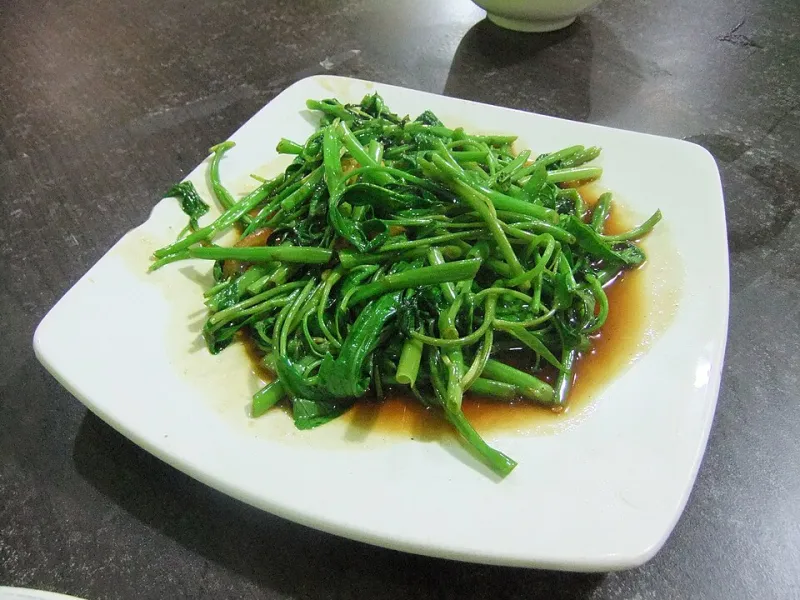
Photo: Midori, CC BY 3.0, via Wikimedia Commons
Somewhere around the third week of July, most American home gardens start looking a little defeated. Lettuce bolts overnight. Spinach turns bitter and limp. Even kale starts sulking in the corner. If you've been growing greens the conventional American way, summer can feel like a long, hot gap between your spring harvest and your fall planting.
But here's the thing — Indonesian home cooks have never had that problem.
In a country where temperatures regularly hover between 85°F and 95°F year-round, Indonesian culinary tradition has always leaned on greens that don't just tolerate heat — they thrive in it. And lucky for us, many of those same varieties grow beautifully across the American South, Southwest, and anywhere else that gets long, hot summers.
Let's talk about which ones are worth your time, what they taste like when the heat cranks up, and how to actually get them from garden to table before they run away from you.
The Greens That Won't Quit When It Gets Hot
Bayam Merah and Bayam Hijau (Red and Green Amaranth)
If you only grow one heat-loving green this summer, make it amaranth. In Indonesian cooking, bayam — both the red-stemmed and green varieties — is an everyday staple. It shows up in everything from light coconut milk soups to simple sautéed side dishes. And in American summers, it behaves like it owns the place.
Amaranth actually speeds up in heat. The leaves get larger, the stems thicken, and the flavor deepens into something slightly earthy and mineral — almost nutty when you cook it down. In cooler weather, bayam is mild and gentle. But grown in 90-degree heat? It develops a complexity that pairs beautifully with bold Indonesian spice pastes.
The catch: it bolts fast once it flowers. You've got a window of about two to three weeks at peak leaf quality before the plant shifts its energy upward. Harvest aggressively — and often.
Kangkung (Water Spinach)
Kangkung is basically the summer superstar of Indonesian vegetables. It grows so fast in warm weather that experienced growers joke you can almost watch it move. Certain cultivars — particularly the land-grown type rather than the floating water variety — do exceptionally well in raised beds across USDA Zones 8 through 11.
The flavor of kangkung is mild and slightly sweet when young, but it takes on a more pronounced, grassy depth as it matures in heat. The hollow stems stay crisp even after cooking, which makes it one of the most texturally interesting greens you can grow.
One important note for American gardeners: water spinach is classified as a federal noxious weed in some states because of its invasive potential in waterways. Check your state regulations before planting. In many states it's perfectly legal to grow in contained raised beds — just know the rules before you go digging.
Daun Singkong (Cassava Leaves)
This one's a little more ambitious, but if you're in a warm zone and want something genuinely different, cassava leaves are worth exploring. The plant itself is drought-tolerant and heat-loving, and the young leaves are used widely across Indonesian cuisine in slow-cooked dishes and coconut-based stews.
The flavor is earthy and slightly bitter when raw, but mellows considerably with cooking. Cassava leaves need to be boiled — they contain compounds that break down with heat — so this isn't a throw-it-in-a-salad situation. But in the right dish, they're extraordinary.
When Heat Changes the Flavor (In a Good Way)
One thing American cooks often don't realize is that heat stress in plants isn't always a bad thing — at least not from a culinary standpoint. When leafy greens push hard in high temperatures, they concentrate sugars, minerals, and aromatic compounds as a survival response.
This is part of why Indonesian greens grown in tropical conditions taste so different from their imported or greenhouse-grown counterparts at American grocery stores. The intensity is built by the environment.
If you're growing bayam or kangkung in a hot American summer, you're actually recreating some of those same conditions. Your homegrown greens will have more flavor than anything you'd find in a plastic bag at the supermarket. That's not an accident — that's the whole point.
Recipes That Work Fast (Because You Need Them To)
Tumis Bayam with Garlic and Shrimp Paste
This is the Indonesian answer to "what do I do with a huge pile of amaranth leaves RIGHT NOW." Tumis just means stir-fry, and this version is dead simple.
Get your wok or large skillet ripping hot. Add a splash of neutral oil, then a small amount of terasi (fermented shrimp paste — find it at any Asian grocery store) and two or three smashed garlic cloves. Let that sizzle for thirty seconds. Add your washed, roughly chopped bayam leaves, season with a little salt and a tiny pinch of sugar, and toss constantly for two to three minutes. Done. The shrimp paste and garlic do the heavy lifting, and the amaranth's earthy depth holds its own against both.
Kangkung Belacan (Water Spinach with Chili and Shrimp Paste)
This dish is served everywhere across Indonesia and Malaysia, and it's one of the fastest weeknight greens preparations you'll ever make. The combination of fresh chilies, garlic, and belacan (another term for shrimp paste) creates a punchy, savory sauce that clings to those hollow kangkung stems perfectly.
Harvest your kangkung in the morning when it's coolest, trim the tougher lower stems, and get it into the pan within a few hours. The fresher the greens, the better the dish. This is not a recipe that benefits from greens that have been sitting in your fridge for three days.
Quick Coconut Amaranth Soup (Sayur Bayam)
When you've got more bayam than you know what to do with, this soup is your friend. It's light, slightly sweet from the coconut milk, and comes together in under twenty minutes. Simmer a cup of thin coconut milk with a smashed stalk of lemongrass and a couple of kaffir lime leaves if you have them. Add corn kernels (this is classic in Indonesian home cooking), then a big handful of bayam leaves right at the end. Season with salt, a touch of palm sugar if you have it or light brown sugar if you don't, and serve immediately. It's humble, deeply comforting, and a great way to burn through a large harvest.
The Harvest Timing Game
The real skill with summer Indonesian greens isn't the cooking — it's the timing. Check your bayam every single day once plants hit about twelve inches. Harvest the top six inches of growth, which encourages the plant to branch out and keep producing rather than shooting straight up to flower.
Kangkung can be cut back hard every couple of weeks. It regrows aggressively in heat, so don't be shy about taking a lot at once.
And if you do miss the window and your plants flower? Don't panic. Amaranth seeds are edible and nutritious. Let a few plants go to seed intentionally and you'll have next year's crop — and a beautiful, feathery garden centerpiece in the meantime.
Summer doesn't have to be a dead zone for your greens garden. It just means switching teams — and Indonesian cooking has exactly the roster you need.