Say It Right, Grow It Right: The Real Names Behind Indonesian Leafy Greens (And What They Tell You About the Plant)

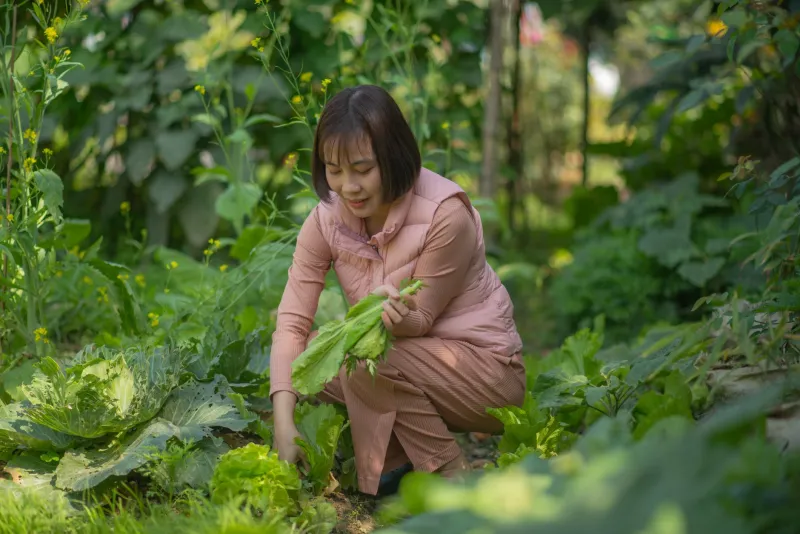
Photo by Photo by C P on Unsplash on Unsplash
Let's be honest. Most of us have stood in an Asian grocery store, pointed at a bundle of unfamiliar greens, and said something like, "I'll take... that one." No shame in it. But here's the thing — when you learn to say kangkung instead of "water spinach," or bayam instead of "amaranth," something shifts. Suddenly you can search better seeds online, strike up a real conversation with the auntie at the farmers market who grew up cooking it, and actually understand why a recipe calls for that specific leaf and not a substitute.
This isn't a linguistics lecture. Think of it more like a friendly introduction — the kind where you finally learn your neighbor's actual name after two years of awkward waves.
Kangkung: The One Everyone Gets Almost Right
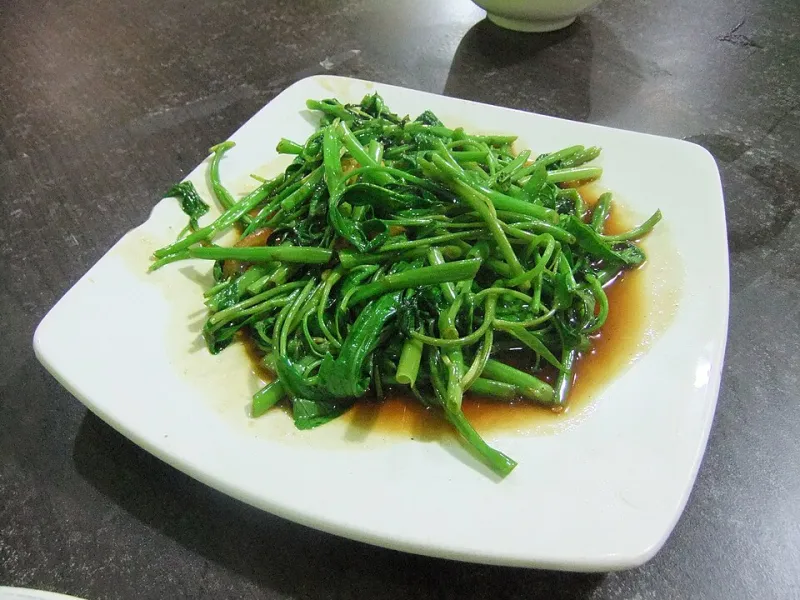
Let's start with the big one. Kangkung (pronounced KAHNG-koong, with a hard G and a short U) is water spinach, and it is absolutely everywhere in Indonesian cooking. Stir-fried with shrimp paste and chilies, it becomes kangkung belacan, one of those dishes that makes you stop mid-bite and reconsider your life choices in the best possible way.
Americans often call it "morning glory" or "swamp cabbage," which — fair enough — but those names don't tell you much about where it comes from or how it's used. In Indonesia, kangkung is deeply regional. The version grown in flooded paddies (called kangkung air) has softer, more tender stems than the drier soil variety (kangkung darat). That distinction matters when you're sourcing seeds. If you ask for "water spinach" at a seed shop, you might get either type. If you ask for kangkung darat specifically, you're more likely to get what you actually want — especially from Indonesian diaspora seed sellers on Etsy or through community Facebook groups.
For US growers, kangkung thrives in USDA zones 9–11 but can be grown as an annual almost anywhere during summer. It loves heat and moisture, which makes it a natural fit for the Gulf Coast, Southern California, and Florida.
Bayam: Not Quite Spinach, Not Quite Amaranth
Bayam (BAH-yahm) is the Indonesian word for amaranth greens, and it's one of the most nutritionally dense plants you can grow in a backyard. The leaves are mild, slightly earthy, and cook down quickly — perfect for soups like sayur bening, a clear, lightly seasoned broth that lets the green's natural sweetness come through.
Here's where the name confusion gets interesting. In the US, "amaranth" usually makes people think of the grain — those tiny seeds used in health food products. But in Indonesia, bayam refers almost entirely to the leafy green. When you walk into an Indonesian household and someone says they're making tumis bayam (sautéed amaranth), they mean the leaves, not a grain bowl.
If you're sourcing seeds in the US, look specifically for Amaranthus tricolor or Amaranthus hybridus varieties rather than grain amaranth. Southeast Asian grocery stores sometimes carry seeds in their gardening section, and diaspora community gardens — many of which exist in cities like Los Angeles, Houston, and the Seattle metro area — often have plant swaps where you can get the exact cultivar used in traditional cooking.
Kemangi: The Basil That Isn't Basil (Sort Of)
Kemangi (keh-MAHNG-ee) is Indonesian lemon basil, and it's one of the most distinctive herbs in the Indonesian pantry. The leaves are smaller and more delicate than Italian basil, with a citrusy, slightly clove-like fragrance that's genuinely hard to replicate with substitutes.
Americans often just call it "Thai basil" at the grocery store, which is close but not quite right. Thai basil (horapha) has a more pronounced anise flavor. Kemangi is lighter, almost floral. In Indonesian cooking, it's frequently eaten raw — scattered over grilled fish, tucked into lalapan (a raw vegetable plate served alongside fried chicken or grilled meats), or stirred into pepes (food steamed in banana leaf).
For US gardeners, kemangi is surprisingly easy to grow from seed during warm months. It bolts quickly in intense heat, so succession planting every few weeks keeps you in fresh leaves all summer. Seeds labeled "lemon basil" or "Indonesian lemon basil" are usually the right variety. If you're in a city with a substantial Indonesian community — think the San Francisco Bay Area, greater Los Angeles, or parts of New Jersey — check with local Indonesian cultural organizations. Many members maintain home gardens and are genuinely happy to share seeds or cuttings.
Daun Singkong: The Leaf Most Americans Don't Realize Is Edible
Daun singkong (dah-OON sing-KONG) translates literally to "cassava leaf," and it's the part of the cassava plant that most Americans completely ignore. In the US, cassava is mostly known for its root — tapioca, yuca fries, that sort of thing. But in Indonesia, the leaves are just as important as the tuber.
They're slightly bitter and require longer cooking than most greens (boiling first, then stir-frying or simmering in coconut milk), but the result is rich, complex, and deeply satisfying. Daun singkong is a staple in Sundanese and Padang cuisines, often cooked with coconut milk, galangal, and lemongrass into a thick, fragrant dish.
If you're growing cassava in a warm climate (zones 8–11), you already have access to daun singkong — you just might not have known to harvest the leaves. For colder zones, the leaves can sometimes be found frozen at Southeast Asian grocery stores.
Why Pronunciation Actually Matters
Okay, so here's the real talk. Getting the names right isn't about being culturally performative or impressing anyone at dinner parties. It's practical.
When you use the Indonesian name, you can:
- Search more effectively. Google "kangkung seeds" and you'll find far more targeted results than "water spinach seeds for cooking."
- Connect with the right communities. Indonesian diaspora Facebook groups, Reddit communities like r/indonesianfood, and local cultural organizations are goldmines for authentic seeds, growing tips, and recipes. Using the right name signals that you're genuinely interested, not just dabbling.
- Ask better questions at Asian grocery stores. Staff members who grew up cooking these plants know them by their Indonesian (or Tagalog, or Vietnamese) names. Using the local name is a small act of respect that often opens up a much richer conversation.
- Understand regional context. Many of these greens have different names in different Indonesian regions. Bayam in Java might be called something slightly different in Sulawesi. That regional specificity carries culinary meaning — it tells you something about how the plant is traditionally prepared.
A Quick Pronunciation Cheat Sheet
For the genuinely pronunciation-anxious among us:
- Kangkung → KAHNG-koong
- Bayam → BAH-yahm
- Kemangi → keh-MAHNG-ee
- Daun singkong → dah-OON sing-KONG
- Katuk (another nutritious Indonesian green) → KAH-took
- Pegagan (pennywort) → peh-GAH-gahn
Indonesian is actually a pretty phonetic language once you get a feel for the vowel sounds, which are more consistent than English. The "a" is almost always pronounced like the "a" in "father." The "e" is usually like the "e" in "bed." You'll get it faster than you think.
The Garden Starts With the Name
At Hijau Daun Kitchen, we believe that growing Indonesian greens is as much a cultural practice as it is a gardening one. Every time you plant kangkung instead of "some water spinach," you're participating in a food tradition that stretches back centuries across thousands of Indonesian islands. That's not a small thing.
So next time you're ordering seeds, chatting with a neighbor, or browsing an Indonesian recipe, try the name. Mispronounce it a little. Get corrected. Try again. That's how it works — for language, and honestly, for gardening too.