When Your Kangkung Flowers, Dinner Gets Interesting
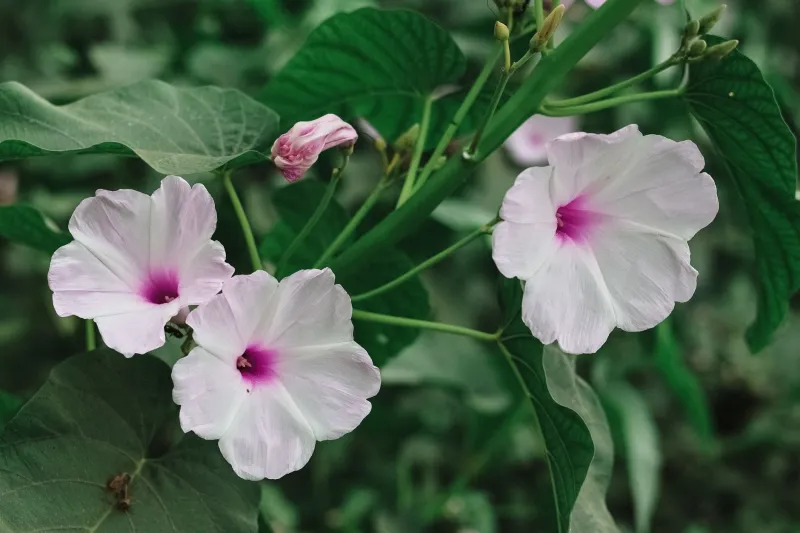
Your Indonesian greens did not fail you. They hit a growth stage. One morning the patch looks normal, and the next there is a central stalk pushing upward like it has somewhere to be. The leaves get smaller. Flower buds appear. Maybe the whole bed looks a little less salad-ready and a little more out of control. That is bolting, and for many American gardeners it triggers an immediate panic compost response.
Take a breath. Bolting is not the end of the harvest. It is a change in the menu.
First, Confirm That It Is Bolting
Bolting is the plant's natural move from leaf production to flower and seed production. Heat, long days, dry soil, and stress can all push it along. Kangkung, sawi, bayam, and daun kelor may bolt at different speeds, but the early signs are similar. You will see a sturdy center stem rising above the rest of the plant. New leaves will be smaller and more widely spaced. Tight buds will form at the top. Older leaves may turn tougher or more bitter.
This is not the same as a plant dying. It is a plant finishing one job and starting another. Your job is to decide which parts are still good to eat and which parts are better saved for seed.
Which Indonesian Greens Still Earn Their Spot
Not every bolted green behaves the same way, so taste as you go. Kangkung, or water spinach, often stays useful longer than people expect. The stems can get fibrous, but the tender tips and leaves are still fine for a quick stir-fry. The small flowers are edible when you know the patch has not been sprayed. Sawi and other mustard greens tend to turn sharp and peppery as they bolt, which is not always a bad thing. Their buds can be treated a little like broccoli raab. Bayam, or amaranth, may produce seed heads that are beautiful and useful, though the leaves can become tough. Daun kelor is more tree-like than garden-bed-like, but its flowers and young pods are part of the traditional kitchen picture in many Indonesian home gardens.
A simple rule: if a leaf tastes too bitter or too tough raw, cook it. If a stem snaps cleanly, keep it. If it bends like a shoelace, compost it or use it for stock. And if you are unsure whether a flower is edible, do not eat it. Stick with the flowers of greens you know, and always avoid plants treated with pesticides.
The Flower-Power Kitchen Moves
Bolted greens can still make a lively dinner. Start with the blossoms. Kangkung flowers and mustard flowers can be folded into a simple fritter batter and pan-fried until crisp. They can also be scattered over rice or eggs at the last minute. The flavor is mild, sometimes a little sweet, and they add a fresh look to a plate without much work.
Tender stems deserve more respect than they get. Slice them into short lengths and quick-pickle them with vinegar, sugar, salt, and a little chili. They will stay crunchy and make a sharp little side for grilled chicken or tofu. You can also chop them finely and add them to sambal, where their texture disappears into the heat and salt.
Seed pods are the next stage. Young pods can be stir-fried with garlic and a splash of soy sauce. Older pods should be left to dry for seed saving. If you are growing kangkung in a container, let a few pods mature on the plant and label them. That is your next season's seed supply, free and already adapted to your weird little balcony microclimate.
A Simple Bolting Rescue Plan
Harvest in the morning, when stems are crisp. Cut the central flower stalk first so the plant stops putting energy there. Use the tender leaves and tips within a day or two. Make a quick vinegar with the flowers and stems if you want to stretch the harvest. Then decide whether to pull the plant or let it go to seed.
If you let it go, tie a loose string around the seed heads so you can find them later. Collect dry pods on a sunny afternoon and store them in a paper envelope. Share extra seed with a neighbor. Bolting is a very good excuse to start a tiny seed economy on your block.
Let the Garden Teach the Kitchen
American gardeners are trained to see bolting as a loss. Indonesian home cooks are often more practical. A plant that has gone to flower is still a plant with leaves, stems, flowers, and seeds. The texture changes, the flavor sharpens, and the cooking changes with it. That is not a crisis. It is a prompt.
So the next time your greens shoot up a flower stalk, do not reach for the compost bin first. Reach for a knife, a hot pan, and a little curiosity. Dinner may look different than you planned, but it can still taste very good.