Fast Greens, Real Results: Indonesian Leafy Vegetables That Go from Seed to Table in Under a Month
Let's be honest about something: most gardening content sets you up for a long, patient relationship with your soil. Plant in spring. Wait. Thin. Wait more. Harvest in August if everything goes right and the deer don't find it first.
For a lot of American home cooks — especially apartment dwellers, renters, and people who've killed exactly one too many herb plants — that timeline is a dealbreaker before they even buy the seeds.
Here's what Indonesian home gardeners have known for generations: some of the most useful, most flavorful greens in the tradition grow fast. Like, embarrassingly fast. We're talking seed to harvest in 30 days or less, sometimes significantly less. These aren't novelty microgreens or specialty crops you need a greenhouse for. These are everyday vegetables that show up in Indonesian home cooking week after week — and they're ready before you've had time to lose interest.
Why Indonesian Garden Culture Favored Quick-Turn Crops
In traditional Indonesian home gardens — called pekarangan — the goal was never to grow one big seasonal crop. It was to maintain a continuous, productive space that contributed to the household table year-round. That philosophy naturally selected for plants that cycle quickly, regenerate after cutting, and don't demand a lot of input between harvests.
The result is a tradition rich in fast-maturing leafy greens that American gardeners are only just starting to discover. If you've got a container, a sunny window, or a small patch of outdoor space, several of these can be producing usable leaves within three weeks of planting.
Kangkung: The 14-Day Overachiever
If you've read anything about Indonesian gardening, you've probably already heard about kangkung (Ipomoea aquatica, water spinach or morning glory greens). And yes, we're mentioning it again — because when a vegetable is this fast, it earns the repetition.
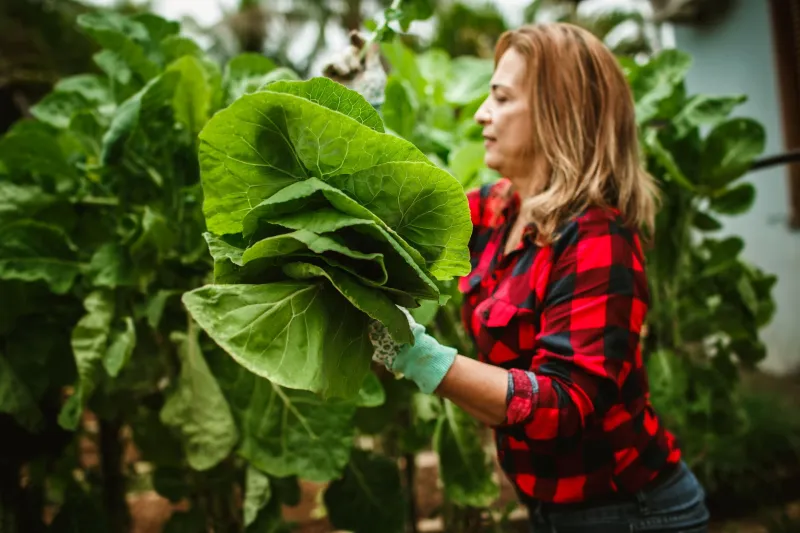
Kangkung can produce cuttable leaves in as little as 14 days from seed under warm conditions. The germination window is 5–7 days, and the plant grows aggressively from there. In the US, it performs best in USDA zones 8–11 during warm months, but it will grow in containers indoors or in a heated greenhouse environment anywhere.
Germination tip: Soak seeds in warm water for 24 hours before planting. This softens the seed coat and dramatically speeds up germination.
Harvest method: Cut stems just above a leaf node rather than pulling the whole plant. New shoots emerge from that node within days. One planting can give you multiple harvests over a season.
In Indonesian cooking, kangkung is most famous in kangkung belacan — stir-fried with shrimp paste — but the young leaves are also excellent raw in salads or lightly blanched as a side.
Bayam (Indonesian Spinach): 21 Days and Done
Bayam is the Indonesian name for amaranth greens (Amaranthus tricolor), and it's one of the most underrated fast crops available to American gardeners. It looks a bit like red-stemmed spinach, grows in full sun, and tolerates heat in a way that actual spinach absolutely does not.
From seeding to first harvest: approximately 21 days.
Bayam seeds are tiny, so broadcast sowing works better than planting in rows. Scatter seeds over a prepared bed or container, press lightly, water gently, and thin to about 4 inches apart once seedlings establish. The thinnings are edible — don't throw them out.
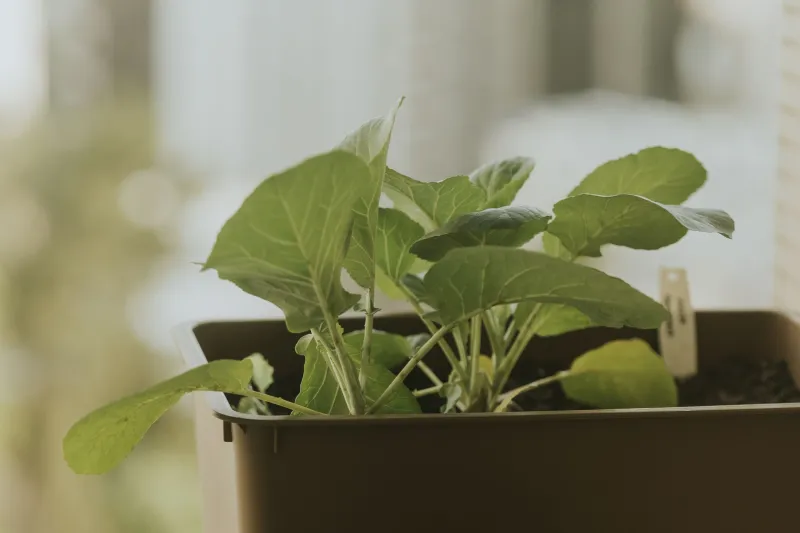
Germination tip: Bayam germinates best in soil temperatures between 70–80°F. In most of the US, that means late spring through early fall outdoors, or a warm windowsill any time of year.
The flavor is mild and slightly earthy — closer to spinach than to the more assertive greens. It wilts quickly when cooked, which makes it ideal for soups, stir-fries, and the Indonesian dish sayur bayam, a light coconut milk vegetable soup that's one of the most beginner-friendly recipes in the tradition.
Selada Air (Watercress): The Container Champion
Watercress isn't exclusively Indonesian — it grows wild across much of Southeast Asia and has been used in Indonesian cooking for a long time — but the way Indonesian home cooks use it is worth learning about. It shows up in fresh salads, light broths, and as a raw accompaniment to heavier meat dishes.
For American gardeners, the appeal is this: watercress grows in a container of water on your windowsill. No soil required. Harvest-ready leaves appear within 10–14 days of placing cuttings in water, and the plant keeps regrowing as long as you keep the water changed and the container in indirect light.
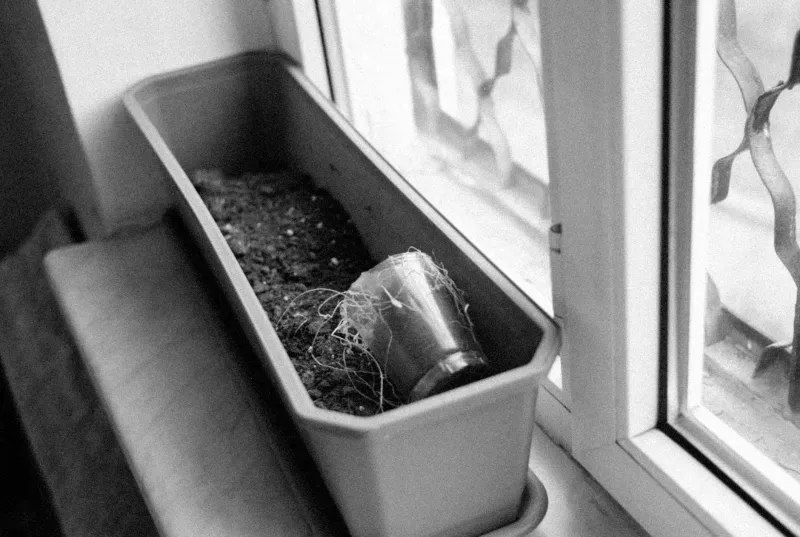
Setup: Take a bunch of fresh watercress from a grocery store or farmers' market (make sure the stems have some length on them), trim the bottom inch, place in a glass jar with about 2 inches of water, and set near a window. Change the water every two days.
This is probably the most accessible fast-green project on this list for people who live in apartments or who are genuinely terrified of killing plants.
Daun Kenikir (Cosmos Leaves): The Herb Your Garden Will Grow Accidentally
Here's one that surprises a lot of people: kenikir (Cosmos caudatus) is both an ornamental flower and an edible herb in Indonesian cooking. The young leaves taste mildly tangy and slightly bitter, and they're eaten raw in lalapan platters alongside sambal.
In the US, cosmos are sold as garden flowers. You may have grown them without knowing the leaves were edible. From seed, cosmos reaches harvestable leaf size in about 25–30 days, and the plant continues producing usable young growth throughout the season.
Germination tip: Direct sow after last frost. Cosmos germinates readily without any pre-treatment and actually prefers poor soil — don't over-fertilize or you'll get more stem and less leaf.
Harvest only the youngest, most tender leaves from the growing tips. Older leaves get tougher and more bitter than most palates enjoy raw.
Making It Work in Small American Spaces
The fastest way to get any of these going is a container setup: a few 6–10 inch pots on a sunny porch or balcony, planted in a well-draining potting mix, watered consistently. Most of these plants don't need particularly deep soil — kangkung and bayam do fine in 6–8 inches of growing medium.
Stagger your planting by one week intervals. Plant a small pot of bayam, wait a week, plant another pot of kangkung. By the time the first pot is ready to harvest, you've got the second one coming up behind it. This succession approach is standard practice in Indonesian home gardens and solves the feast-or-famine problem that trips up a lot of new gardeners.
The Patience Myth
Gardening doesn't have to be a months-long test of your willpower. The Indonesian tradition of quick-cycling, cut-and-come-again leafy greens is proof of that. These plants were bred and selected over generations specifically because they fit into real life — not just into the idealized slow-living fantasy version of it.
You don't need a lot of space. You don't need a lot of time. You need the right seeds and a little bit of sun. The harvest will show up faster than you expect.