Your Garden Is Sending You Signals — Here's How to Read Them (And Cook the Evidence)
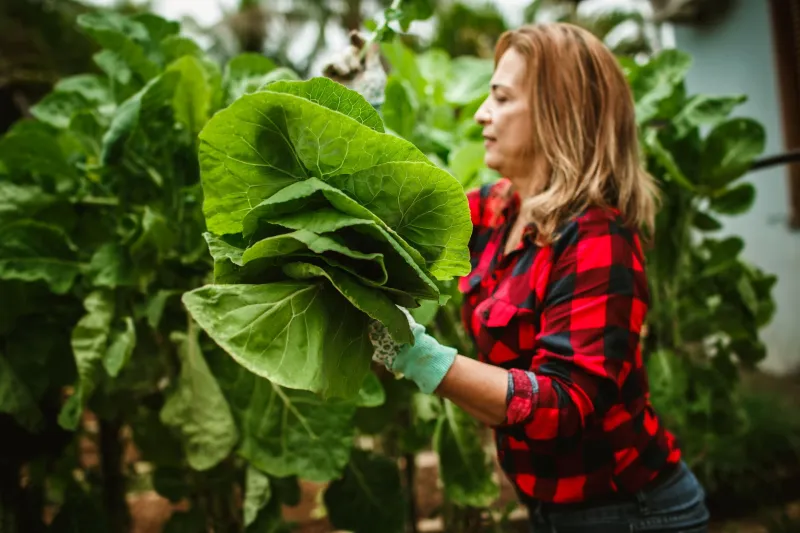
Every gardener has had that moment. You walk out to check on your greens with a mug of coffee and optimism, and something is clearly wrong. The leaves that were deep green yesterday have gone pale. Something has been eating the edges of your kangkung. Your bayam looks like it's given up entirely.
The instinct is to feel defeated. The better instinct — one that Indonesian home cooks and gardeners have practiced for a very long time — is to treat the problem as information and the damaged harvest as an ingredient.
This is a guide to both: reading what your garden is telling you, and cooking your way through the imperfect results.
Yellow Leaves: The Most Common Message, The Most Misread
Yellowing is the symptom that means the most things simultaneously, which is why it frustrates gardeners so much. But the pattern of yellowing is usually enough to narrow it down.
Yellowing starting at the bottom of the plant, moving upward: This is almost always nitrogen deficiency. Your soil is running low on the nutrient leafy greens need most. Fix: Side-dress with a balanced fertilizer or work a thin layer of compost into the top inch of soil. For container plants, a diluted liquid fertilizer every two weeks during the growing season usually prevents this entirely.
Yellowing between the veins while the veins stay green: This is classic iron or magnesium deficiency, often triggered by pH imbalance. Your soil may be too alkaline, which locks up nutrients even when they're technically present. Fix: Test your soil pH. Most Indonesian greens prefer a slightly acidic to neutral pH (6.0–7.0). If you're too high, a light application of sulfur or acidic compost can bring things back.
Sudden yellowing across the whole plant: Check for overwatering first. Roots sitting in waterlogged soil can't absorb nutrients effectively, and the plant responds by looking starved even when the soil is full of food. Fix: Improve drainage, reduce watering frequency, and make sure containers have adequate drainage holes.
What to cook with yellowed leaves: Lightly yellowed leaves from nitrogen-stressed plants are still nutritionally useful and safe to eat — they've just lost some chlorophyll. In Indonesian cooking, this is not a crisis. Use them in cooked preparations rather than raw ones. Sayur bening (clear vegetable broth) is ideal: the cooking process mellows any bitterness that develops in stressed leaves, and the broth carries plenty of flavor. A handful of garlic, a piece of corn, your yellowed bayam or kangkung leaves, salt, and water. Simmer 15 minutes. That's a legitimate meal.
Chewed Edges and Holes: Your Pest Detective Guide
Something is eating your greens. The question is what, because the fix depends on the culprit.
Clean, scalloped edges on leaves: Caterpillars, most likely. Check the undersides of leaves for eggs or small larvae. Bacillus thuringiensis (Bt) is an organic treatment that works well on caterpillars without harming beneficial insects. Hand-picking is tedious but effective for small infestations.
Irregular holes with silvery trails: Slugs. They tend to feed at night and leave a mucus trail. Fix: Diatomaceous earth around the base of plants, or a shallow dish of beer sunk to soil level (slugs are attracted to it and fall in — it's grim but effective).
Tiny holes scattered across leaves (like a pepper grinder went over them): Flea beetles. These small, jumping insects are common on warm-season greens. Row covers during establishment can prevent them; neem oil spray helps manage existing populations.
Sticky residue, curled leaves, clusters of tiny insects: Aphids. They congregate on new growth and the undersides of leaves. A strong spray of water dislodges most of them. Insecticidal soap handles more stubborn infestations.
What to cook with pest-damaged leaves: Here's where the Indonesian waste-nothing philosophy really shines. Leaves with chewed edges or scattered holes are cosmetically imperfect, not culinarily ruined. Trim away the damaged sections, rinse thoroughly, and use the intact portions. These are perfect for tumis (Indonesian stir-fries), where the leaves are cooked quickly over high heat with garlic, shallots, and chili. The cooking process eliminates any surface contamination concerns, and no one at the table will know the kangkung had a rough week.
Quick Tumis Recipe for Imperfect Greens:
- 2 cups trimmed, washed greens (kangkung, bayam, or whatever you have)
- 3 shallots, sliced thin
- 3 cloves garlic, minced
- 1–2 bird's eye chilies, sliced (optional)
- 1 tablespoon soy sauce
- Salt to taste
- Neutral oil for the pan
Heat oil over high heat. Add shallots and garlic and cook until fragrant, about 60 seconds. Add chilies, then greens. Toss constantly for 2–3 minutes. Add soy sauce, toss again, taste, adjust salt. Serve immediately.
Stunted Growth and Pale Color: When the Problem Is Below Ground
If your plants simply aren't growing — they germinated, put out a few leaves, and then stopped — the problem is usually in the root zone.
Compacted soil: Roots can't expand, can't access nutrients or water effectively. Fix: Loosen soil around plants carefully with a fork, and amend with compost to improve structure. For containers, this is a sign you need fresh potting mix.
Root-bound plants in containers: If you're growing in pots and the plant has been there more than a season, roots may have filled the container and begun circling. Fix: Transplant to a larger container.
Root rot: If you pull a plant and the roots are brown, mushy, and smell unpleasant, overwatering has caused fungal root rot. There's usually no saving the plant itself, but you can salvage any healthy above-ground growth. Harvest whatever usable leaves remain before discarding the root system.
What to cook with stunted plants: Very young, small leaves from stunted plants are often more tender than mature ones. Use them raw. In Indonesian cooking, young leaves are prized in lalapan — the fresh vegetable platter that accompanies grilled dishes. Arrange your small kangkung tips, young kemangi leaves, and whatever else the garden produced, alongside a sambal of your choice. The imperfect harvest becomes an honest, beautiful plate.
Discoloration and Spots: Disease Identification
Brown or black spots with yellow halos: Fungal leaf spot, usually caused by too much moisture sitting on leaves. Improve air circulation, water at the base rather than overhead, and remove affected leaves promptly to prevent spread.
White powdery coating on leaf surfaces: Powdery mildew. Common in humid conditions with poor airflow. Neem oil spray or a diluted baking soda solution (1 teaspoon per quart of water) can slow progression. Remove heavily affected leaves.
Mosaic patterns — irregular light and dark green patches: Viral infection, often spread by aphids. Unfortunately, there's no cure. Remove and dispose of affected plants (don't compost them) to protect neighboring plants.
What to cook with lightly diseased leaves: Leaves with minor fungal spotting are safe to eat if the affected areas are trimmed away and the rest of the leaf looks healthy. Use them in soups or cooked dishes rather than raw preparations. Lodeh, the Indonesian mixed vegetable coconut milk stew, is perfect for this — everything gets cooked through, and the rich broth is forgiving of imperfect ingredients.
The Bigger Lesson Your Garden Is Teaching You
Every problem listed here is also a lesson your garden is trying to teach you about what it needs. Nitrogen deficiency tells you to amend your soil. Slug damage tells you to improve drainage and reduce hiding spots. Root rot tells you to ease up on the watering can.
Indonesian home gardening has always operated on this feedback loop — observing, adjusting, and using everything the garden produces, even the imperfect parts. The damaged leaf isn't a sign that you failed. It's an invitation to pay closer attention and cook a little more creatively.
Your garden is talking. Once you know the language, the conversation gets a lot more productive.