No Yard? No Problem. Kangkung Is the Indonesian Green That Grows Anywhere You Let It
Let's be honest about something: most advice for growing your own herbs assumes you have space. A backyard. Maybe a patio at minimum. If you're renting a one-bedroom in Chicago or cramming into a studio in Brooklyn, that kind of gardening content can feel like it was written for someone living a completely different life.
Kangkung doesn't care about any of that.
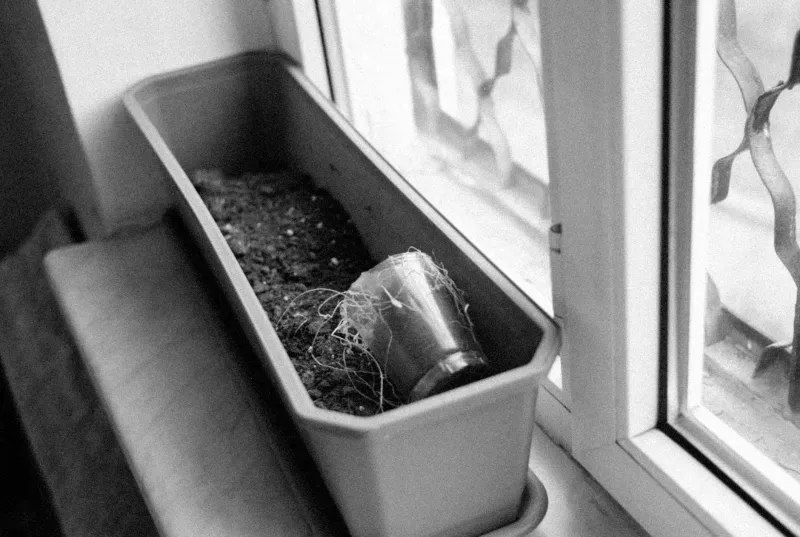
Known in English as water spinach (and botanically as Ipomoea aquatica), kangkung is one of the most forgiving, adaptable, and frankly underrated greens in the Indonesian pantry. It grows in waterlogged soil. It grows in actual water. It grows in a repurposed yogurt container on a south-facing windowsill with nothing but tap water and indirect afternoon light. For urban gardeners — especially renters who've killed every basil plant they've ever owned — this is the leaf that finally makes growing your own food feel possible.
Why Kangkung Is Built Differently
Most leafy greens are fussy about drainage. Too much water and the roots rot. Too little and the leaves go limp and bitter. Kangkung evolved in the wetlands and riverbanks of Southeast Asia, which means its entire biology is designed around moisture. What would drown a tomato plant is basically a spa day for kangkung.
That evolutionary quirk makes it uniquely suited to hydroponic setups — growing in water rather than soil. You don't need a fancy system or a kit from Amazon. The basic principle is simple: keep the lower part of the stem submerged, give the leaves access to light, change the water every few days, and the plant does the rest.
For apartment cooks who want fresh ingredients without the mess of potting mix and drainage trays, this is genuinely a game-changer.
Getting Started: The Windowsill Setup
Here's the setup that works for most people starting out:
What you need:
- A clear or opaque container — a mason jar, a tall glass, a plastic deli container, anything that holds water
- Kangkung cuttings or seeds (more on sourcing below)
- A sunny windowsill, ideally south- or west-facing
- Tap water (let it sit for an hour if you're on a heavily chlorinated city supply)
Starting from cuttings: This is the fastest method. If you can get fresh kangkung from an Asian grocery store — and most cities with any Southeast Asian population have at least one — look for bunches with intact lower stems. Cut about four inches from the bottom, strip the lower leaves, and place the stems in your container with water covering at least two inches of stem. Roots will begin to appear within a week, sometimes faster.
Starting from seed: Seeds take longer but give you more control. Soak them overnight before planting, then nestle them into a small cup of damp growing medium (coconut coir works great for this) or directly into shallow water. Germination usually happens in five to ten days.
Once your plant is established, you're essentially harvesting on a rolling basis. Clip the top four to six inches of stem when the plant gets leggy, cook what you cut, and watch the plant branch out and regrow. One small container can keep a household in fresh kangkung for months.
Light, Water, and the Minimal Fuss Factor
Kangkung is not trying to make your life hard. That said, a few things matter:
Light: It wants at least four to six hours of direct or strong indirect sunlight daily. A south-facing window is ideal. In darker apartments, a basic grow light on a timer for twelve hours a day handles the job without much fuss.
Water: Change it every two to three days to prevent stagnation. You're not trying to build an aquarium — you just don't want the water going stale. In summer, you might need to top it off more frequently as evaporation increases.
Temperature: Kangkung is a tropical plant and it knows it. It thrives between 70°F and 95°F, which maps pretty well onto the average American apartment in spring and summer. In winter, keep it away from drafty windows and it should hold steady.
Nutrients: For a windowsill setup, a small amount of liquid fertilizer every two weeks keeps things lush. You don't need much — half the recommended dose is usually plenty for a container this size.
Sourcing Your First Cuttings in the US
This is where city living actually works in your favor. Asian grocery stores — whether a big H Mart, a local Vietnamese market, or a Filipino-owned shop — almost always carry fresh kangkung in the produce section. It's usually sold in bunches for under two dollars. Buy one, cook half, propagate the other half. That's it. You've started a garden.
If you're in a smaller city without easy access, a quick search for "water spinach seeds" on Etsy or through seed suppliers like Baker Creek turns up options quickly. A single seed packet will outlast your interest in any other gardening trend you've ever had.
From Windowsill to Wok: What to Do With What You Grow
Kangkung is central to one of the most satisfying quick-cook dishes in Indonesian cuisine: cah kangkung — stir-fried water spinach with garlic, shrimp paste (terasi), and chilies. It's fast, loud in the wok, and the kind of thing that makes your kitchen smell like a warung in Jakarta for about four glorious minutes.
The stems and leaves cook at slightly different rates, so it's worth separating them. Start the stems first with hot oil, garlic, and a little sambal or sliced red chili, then add the leaves right at the end. The whole thing is done in under five minutes. Serve over rice and you have a meal that costs almost nothing and tastes like you know what you're doing.
Beyond stir-frying, kangkung shows up in Indonesian soups, as a side vegetable alongside grilled fish, and wilted into coconut-milk-based dishes. It's a workhorse green with a mild, slightly grassy flavor that absorbs whatever you cook it in — which makes it endlessly versatile for anyone still building out their Indonesian cooking repertoire.
The Bigger Picture
There's something satisfying about growing a plant that has fed Indonesian families for generations in a container on your apartment windowsill in the American Midwest. It's not a novelty act. It's a practical, low-investment way to keep a genuinely useful ingredient on hand, reduce grocery runs, and build a real connection to the food you're cooking.
Kangkung doesn't need you to have a green thumb. It doesn't need your backyard. It just needs a little water, a little light, and the willingness to let it do what it's been doing for centuries — growing, spreading, and feeding people who need something good to eat.
Start with one bunch from the grocery store. See what happens. We're guessing you'll be surprised.