Zone by Zone: The Practical Guide to Growing Indonesian Leafy Greens in Your American Backyard
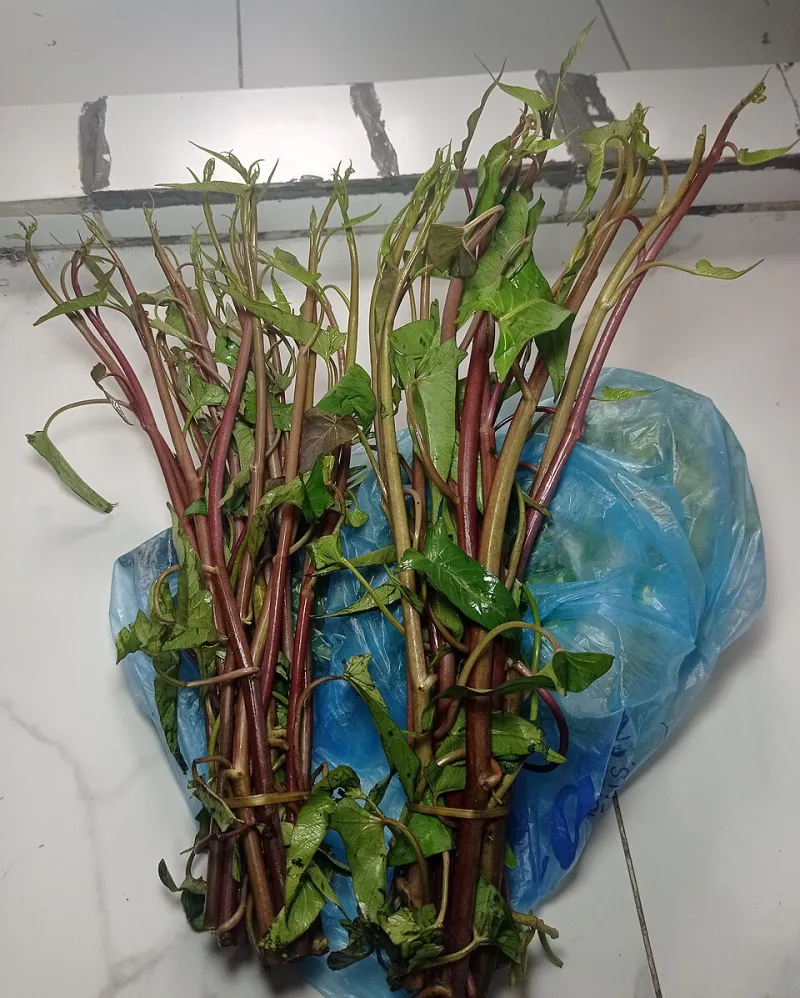
Photo: စာကလေး, CC0, via Wikimedia Commons
Let's be honest — when most American gardeners hear "Indonesian vegetables," they picture a steamy tropical greenhouse somewhere far away, not a raised bed in suburban Ohio or a container garden on a Denver balcony. But here's the thing: a lot of Indonesian leafy greens are tougher and more adaptable than their exotic reputation suggests. You just need to understand what they actually want from your soil, your sun, and your seasons.
At Hijau Daun Kitchen, we've been talking to US-based gardeners who've been quietly cracking this code for years. This guide pulls together what they've learned, matched up against USDA hardiness zones and growing seasons across the country. No fluff, no vague advice — just practical, zone-by-zone guidance for getting these greens into your garden and onto your plate.
Start Here: Know What You're Working With
Before we get regional, it helps to understand the three greens we're focusing on and what they naturally prefer.
Kangkung (water spinach, Ipomoea aquatica) is a semi-aquatic vine that thrives in heat and moisture. In Indonesia, it grows along riverbanks and in flooded paddies. It's fast-growing — sometimes aggressively so — and loves humid, warm conditions.
Daun ubi (cassava leaves, Manihot esculenta) comes from the cassava plant and is harvested young. The plant itself is drought-tolerant once established, but the leaves are best when the plant is in active, warm-season growth.
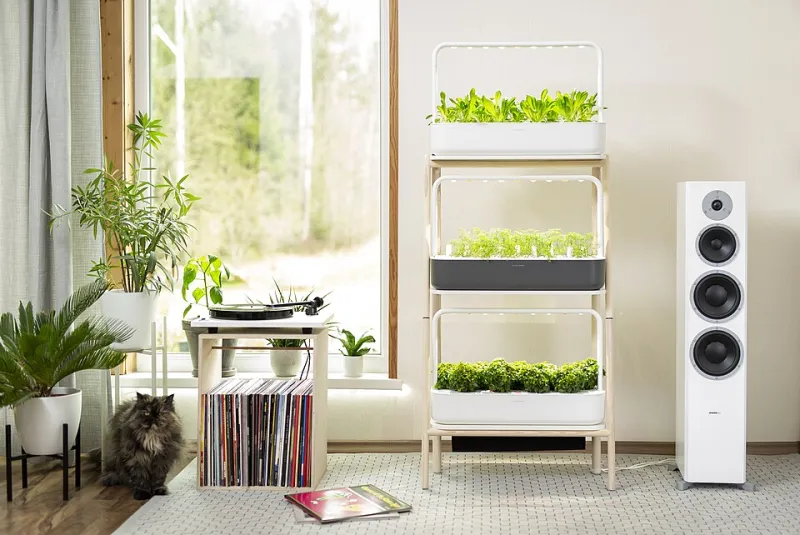
Selada muda is essentially young lettuce or tender salad greens in the Indonesian tradition, often harvested at the baby-leaf stage. These are the most forgiving of the three and the easiest entry point for first-timers.
With those baselines in mind, let's talk zones.
The South and Gulf Coast (Zones 8–10): You're Already Halfway There
If you're gardening in Florida, Louisiana, Texas, or coastal Georgia, congratulations — your climate is the closest American equivalent to what these plants grew up in. Kangkung especially will take off with almost no coaxing. Plant it in late spring after your last frost date, give it consistent moisture (drip irrigation or even a shallow trough setup works great), and it will reward you with multiple harvests through summer and into fall.
Daun ubi is also very much at home here. Start cassava cuttings in early spring, plant them out once nighttime temps are reliably above 60°F, and harvest the young leaves regularly — this actually encourages bushier growth and more tender foliage.
One pest to watch for in humid Southern climates: aphids love kangkung. A diluted neem oil spray applied in the evening handles them without harming beneficial insects. For caterpillar pressure (and you will get it), hand-picking works surprisingly well for small gardens, or use Bacillus thuringiensis (Bt) spray as a targeted organic option.
The Mid-Atlantic and Southeast Interior (Zones 6–7): Timing Is Everything
Gardeners in Virginia, the Carolinas, Tennessee, and similar zones can absolutely grow all three of these greens — but the window is more defined. Think of it like growing sweet potatoes, which are actually in the same family as kangkung. You need warm soil, not just warm air.
Wait until soil temperature hits at least 65°F before planting kangkung outdoors. In most of Zone 7, that's mid-May. Start daun ubi in containers indoors about six weeks before your last frost date, then transplant once the soil warms up. You'll get a solid three to four months of productive growth before temperatures start to drop in October.
Soil prep matters more here than in the South. Indonesian greens generally want rich, well-draining soil with good organic matter. Mix in a couple inches of compost before planting, and consider slightly raised beds to prevent waterlogging during heavy summer rain events — something the Mid-Atlantic knows well.
Selada muda actually shines in this zone during spring and fall when temperatures are mild. Plant it in early April and again in late August for two productive seasons of tender, flavorful leaves.
The Midwest and Great Plains (Zones 5–6): Container Gardening Changes Everything
For gardeners in Illinois, Missouri, Kansas, or Nebraska, the growing season is shorter and the temperature swings are more dramatic. But don't count these greens out — adapt your approach instead.
Kangkung does best in large containers (5-gallon or bigger) in this region, which lets you move plants inside if a late cold snap hits and gives you control over soil warmth. Place containers against a south-facing wall or fence to capture reflected heat. With this setup, Midwest gardeners have reported consistent kangkung harvests from June through September.
Daun ubi is trickier here because cassava is a slow starter and needs a long warm season to really establish. Unless you have a greenhouse for starting plants very early, focus your energy on kangkung and selada muda in this zone. The cassava leaves from a container plant will still be usable — you just won't get the volume a Southern gardener might.
For pest management in the Midwest, Japanese beetles can be a real problem in mid-summer. Floating row covers provide physical protection during peak beetle season without any chemicals.
The Pacific Coast (Zones 8–10, Coastal): Cool Summers Need a Workaround
Here's where things get interesting. Coastal California, Oregon, and Washington have mild, frost-free winters but notoriously cool, foggy summers — the opposite of what kangkung and daun ubi want. Inland areas (Sacramento Valley, the Willamette Valley interior) are much more promising.
If you're in coastal California, prioritize selada muda. It absolutely thrives in your conditions and can be grown nearly year-round. For kangkung, look for the warmest microspot in your garden — often near a south-facing wall or fence, or inside a low tunnel or cold frame that traps heat. Some Bay Area gardeners have had success growing kangkung in black plastic containers set on dark paving stones to maximize soil warmth.
Inland Pacific gardeners have a much easier time. The hot, dry Central Valley summers are actually great for kangkung and daun ubi — just make sure irrigation is consistent since you won't get the natural humidity of Southeast Asia. Drip systems or deep watering every two to three days keeps plants happy without overwatering.
The Northeast (Zones 5–6): Short Season, Big Flavor
New England and the upper Mid-Atlantic have a compressed but productive warm season. Selada muda is your most reliable bet and can go in the ground as soon as the soil is workable in spring. Kangkung can be grown as an annual with a head start indoors — sow seeds in April, transplant in late May or early June, and harvest through August.
Community gardeners in Brooklyn and Philadelphia have shared that kangkung grown in raised beds with dark-colored frames (which absorb heat) outperforms in-ground plants significantly. Small adjustments like this — microclimate thinking, not just zone thinking — are what separate the gardeners who succeed with these greens from those who give up after one season.
One Last Thing Before You Plant
The biggest mistake new growers make with Indonesian greens is treating them like American grocery store vegetables — things to be harvested once and done. These plants respond to repeated, frequent harvesting. Cut kangkung stems a few inches above the soil and new shoots emerge within days. Pick daun ubi leaves regularly from the top of the plant to keep it producing. The more you harvest, the more you get.
That's actually pretty good gardening philosophy in general, if you think about it.