The Zero-Waste Kitchen: Indonesian Secrets for Turning Herb Scraps and Wilted Greens into Liquid Gold
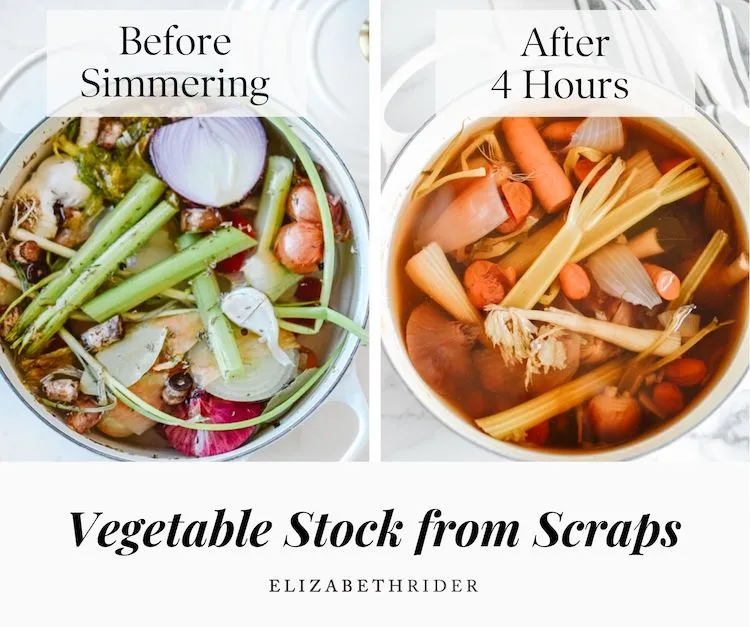
Photo: herb scraps vegetable broth stock pot aromatic ingredients kitchen, via www.elizabethrider.com
Look at what you tossed out the last time you cooked. The tough stems from a bunch of cilantro. The papery outer leaves of lemongrass. The slightly soft kale leaves you kept meaning to use. The root ends of green onions sitting in the bottom of the crisper drawer.
In a traditional Indonesian kitchen — the kind that feeds a family across generations without a second thought about waste — none of that would have made it to the trash. Every one of those scraps carries flavor. Every one of them has somewhere to go.
This isn't just resourcefulness. It's a culinary philosophy, deeply embedded in Indonesian home cooking, that treats the whole plant as a gift — stem to tip, root to leaf, fresh to wilted. And it produces something that no store-bought carton can replicate: a deeply aromatic, utterly personal broth that tastes like your garden.
What Indonesian Cooks Know About Scraps That We've Forgotten
The Indonesian concept of tidak mubazir — roughly translated as "don't let anything go to waste" — shapes how cooks approach ingredients at every stage. It's not about frugality out of scarcity. It's about respect for what the earth produces and an understanding that flavor compounds don't vanish just because a leaf has wilted or a stem has been trimmed.
In fact, some of the most flavor-dense parts of aromatic plants are the parts most commonly discarded in American cooking. Lemongrass stalks — the fibrous upper portions that most recipes discard — are loaded with citral, the compound responsible for that unmistakable lemony fragrance. Galangal peel carries the same sharp, piney aromatics as the flesh. Pandan leaf stems, the tough ends snipped off before tying the leaves into knots, still hold the grassy, vanilla-adjacent scent that makes Indonesian rice so distinctive.
These are not afterthoughts. They are ingredients.
Building Your Scrap Collection: A Gardener's Pantry
If you're growing an Indonesian herb garden — even a modest container setup on a patio or balcony — you're already sitting on a continuous supply of stock material. The key is building the habit of saving rather than discarding.
Keep a dedicated container in your freezer. Every time you cook, add to it:
- Lemongrass stalks and outer leaves — the green tops and papery sheaths
- Galangal or ginger peel and nubs — too small to grate but full of flavor
- Kaffir lime leaf stems — the leaves go into the dish; the stems go into the bag
- Daun salam (Indonesian bay leaf) that's been used once — still fragrant on the second round
- Wilted kemangi (lemon basil) stems — their oils are still present even when the leaves have lost their perk
- Green onion root ends — especially if you've been regrowing them on your windowsill
- Outer cassava or papaya leaves — the tougher ones that aren't ideal for eating directly
Within a week or two of regular cooking, you'll have enough to make a full pot of stock. Within a month, you'll have enough to make several, and you'll start keeping jars of it in the freezer like the culinary insurance policy it truly is.
The Basic Indonesian Scrap Stock: Step by Step
This is less a fixed recipe and more a flexible technique. Treat it as a template.
What you'll need:
- Your frozen scrap collection (roughly 3–4 cups loosely packed)
- 8 cups cold water
- 1 small onion or a few shallots, halved (no need to peel)
- 3–4 garlic cloves, smashed
- 1 teaspoon whole black peppercorns
- Optional: a small piece of dried shrimp paste (terasi) for depth, or a splash of soy sauce for color
The method:
- Place everything in a large pot. Don't bother thawing the scraps — frozen is fine.
- Bring to a boil over medium-high heat, then immediately reduce to a gentle simmer.
- Let it go for 45 minutes to an hour, uncovered. You want slow extraction, not aggressive boiling, which can make the stock murky and slightly bitter in an unpleasant way.
- Taste as you go. You're looking for a broth that's aromatic and layered — you should be able to identify lemongrass, a hint of ginger, something green and herby underneath.
- Strain through a fine mesh strainer or cheesecloth. Press the solids to extract every last drop.
- Cool, portion into mason jars or ice cube trays, and freeze.
This stock elevates rice cooking, forms the base of soups, and can replace water in any braised dish. It also makes an extraordinary starting point for a quick weeknight noodle soup — just add rice vermicelli, a soft-boiled egg, and a handful of fresh herbs.
Beyond Broth: Other Lives for Your Scraps
Stock is just the beginning. Indonesian cooking offers several other techniques for extracting maximum value from green scraps.
Herb stem pesto: Cilantro, kemangi, and flat-leaf parsley stems — too tough to eat raw but perfectly good when blended — make an intensely flavored pesto when combined with garlic, toasted candlenuts or pine nuts, a squeeze of lime, and olive oil. Spread it on toast, stir it into pasta, or use it as a marinade for grilled chicken.
Infused cooking oil: Gently heat a neutral oil with lemongrass pieces, kaffir lime leaves, and a smashed garlic clove until fragrant, then strain. The result is a beautifully aromatic oil for drizzling over steamed rice or roasted vegetables.
Dried herb powder: Spread wilted herb leaves on a baking sheet and dry them at your oven's lowest setting for a few hours. Once completely dry, blend into a coarse powder. Daun salam powder makes a remarkable seasoning for roasted potatoes. Dried kemangi powder is extraordinary on scrambled eggs.
Why This Matters Beyond Your Kitchen
The USDA estimates that American households throw away between 30 and 40 percent of their food supply — and a significant portion of that is fresh produce. Herbs and leafy greens, which wilt quickly and often come in quantities larger than a single recipe requires, are among the most commonly wasted items in the refrigerator.
The Indonesian approach to green scraps isn't a trend or a sustainability performance. It's a practical, generations-old response to the reality that plants are precious and flavor is everywhere — if you know how to look for it.
At Hijau Daun Kitchen, that's exactly the kind of kitchen wisdom we want to bring from Indonesian gardens to American homes. Start small: save your lemongrass stalks this week. By the weekend, you might just have the best pot of rice you've ever made.