Five Supermarket Stems Worth Rooting in a Jar (And One That's Just Watering a Glass)

Photo: regrowing vegetable stems in glass jars on kitchen windowsill, via superbilgi.com
There's a jar of something rooting on almost every kitchen windowsill in America, and roughly half of them are doing nothing. A celery butt in cloudy water is not a garden. It's a science project that smells.
But some stems genuinely do pay you back, and a few of them happen to be the greens Indonesian cooking leans on hardest. Here's a straight answer on which ones are worth the jar, how to keep them alive past week two, and what to cook when the regrowth is finally big enough to bother with.
First, What Regrowing Actually Means
A supermarket stem doesn't reproduce the original plant. It roots, pushes out new growth from existing nodes, and gives you two or three modest harvests before it tires out. That's it. Think of it as stretching one bunch into two, not as replacing your grocery budget.
What matters is whether the stem has a node — the little bump where leaves or roots emerge. A stem without a node is a stick in water. A stem with a node is a plant waiting for a reason.
The Five That Earn Their Windowsill
1. Kangkung (water spinach)
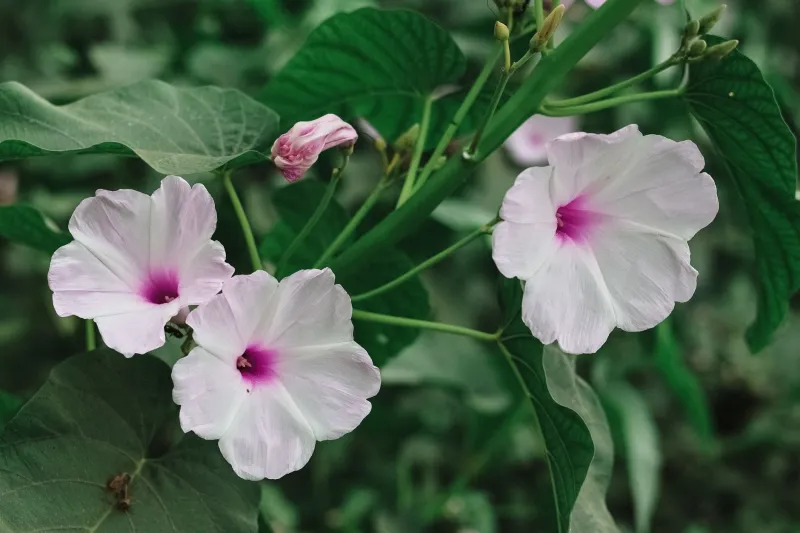
The best of the bunch, and it's not close. Those hollow stems root fast — often within four to seven days in a glass of water, no rooting hormone, no fuss. Change the water every couple of days and keep the jar out of direct afternoon sun.
Once roots hit an inch or two, move the stems to a pot of ordinary potting soil and keep it consistently wet. Kangkung is a swamp plant. It does not want to dry out between waterings, and it will tell you so by going limp in a way that looks fatal but usually isn't.
Cut the tips rather than yanking whole stems, and it keeps coming. Two or three rounds is realistic indoors. If you've got a sunny windowsill and a saucer of water, you've got a kangkung patch.
2. Lemongrass
Buy a few stalks, cut off the bottom three inches, and stand them in an inch of water. Roots usually show up in one to two weeks. It's slow compared to kangkung, and it wants real light — a south-facing window or a spot outdoors once it's warm.
Once rooted, plant it in a pot and let it clump up. You won't harvest full stalks for a while, but the young leaves and the tender inner core are plenty for a pot of broth or a curry paste.
3. Scallions (daun bawang)
The classic for a reason. Leave an inch or so above the root end, stick it in water, and green tops appear within days. The catch is that the regrowth gets thinner each round, so plan on two good cuts and then start over.
Indonesian cooking uses scallions more sparingly than you'd think — as a garnish, in omelets, folded into fried rice — which makes a windowsill jar plenty.
4. Kemangi or Thai basil
Take a cutting about four inches long, strip the lower leaves so no leaf sits below the waterline, and change the water every couple of days. Roots in seven to ten days. The stems are fussier than kangkung and will rot in stagnant water, so this one demands a little attention.
Pinch the tops to keep it bushy. Left alone, it stretches into a sad, flowering stalk with three leaves on it.
5. Watercress (selada air)
Watercress stems root almost absurdly easily in shallow water — barely an inch is enough. It's a cool-weather plant, so it does best on a kitchen counter in spring or fall rather than in a July window. Snip the tops for salads and soups and it keeps pushing.
What's a Waste of a Jar
- Spinach and mature bok choy. The base will sometimes throw a few pale leaves, then quit. Not worth the counter space.
- Daun salam and kaffir lime leaves. These come from trees. A leaf in water is a leaf in water.
- Pandan. It propagates from divisions of the plant, not from a cut leaf. Supermarket pandan will not root for you.
- Anything already slimy at the cut end. You're not rescuing it, you're incubating it.
- Cooked or frozen stems. Obviously. But people try.
Light, Water, and the Two-Week Rule
Three habits keep a windowsill from turning into a swamp:
- Change the water every two days. Cloudy water is a warning, not a stage.
- Keep it bright but indirect. A windowsill works. Blasting heat and midday sun cook the stems.
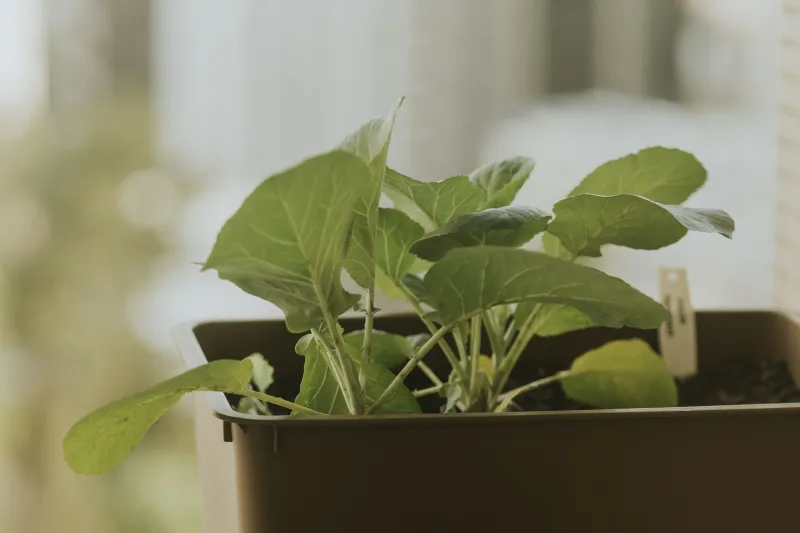
- Move to soil once roots are an inch or two long. Water roots and soil roots aren't the same thing, and stems left in jars for a month rarely make the transition well.
If a stem has been in the jar for two weeks with no roots and a brown cut end, cut your losses. It's not a slow starter, it's compost.
From Jar to Dinner in Fifteen Minutes
Regrowth is small, so cook it like a flavor ingredient rather than a vegetable side.
- Kangkung and garlic. Heat oil, add a lot of sliced garlic and a chopped chili, throw in the stems first, then the leaves, splash with soy and a pinch of sugar. Sixty seconds of cooking, tops.
- Lemongrass and scallion omelet. Thinly slice the tender lemongrass core and scallions, beat into three eggs, and cook slow in a small pan. Dinner in eight minutes.
- Kemangi in a quick sambal. Chop it into chili, garlic, lime, and a little salt, and spoon it over rice and a fried egg.
That's the honest pitch. A jar on the sill won't feed a family, but it will turn a garnish you'd otherwise bin into the best part of a Tuesday night.