Aromatics, Leaf, Protein, Punch: The Weeknight Template Indonesian Cooks Never Have to Look Up
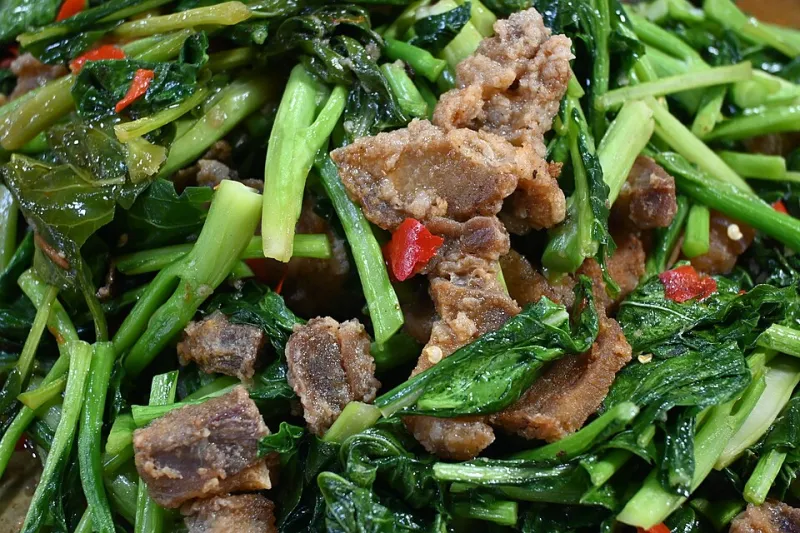
Photo: PattayaPatrol, CC BY-SA 4.0, via Wikimedia Commons
It's 6:40 p.m. You have no plan. You have half a bag of greens going limp in the drawer, an egg, and a head of garlic. Somewhere in your saved recipes there's a forty-minute dish that calls for three things you don't own.
This is where most American home cooks reach for takeout. It's also where an Indonesian home cook barely breaks stride — not because they have a better recipe, but because they aren't using one. They're running a formula.
The Recipe Is the Problem
A recipe is a promise that if you buy seven specific things and do them in a specific order, you'll get dinner. That's a fine arrangement on a Sunday. On a Tuesday it's a set of obligations.
A formula inverts it. Instead of asking what you need, it asks what slot each thing in your fridge fills. Greens stop being "the vegetable I bought for a recipe" and start being the leaf component, ready to go. The half-onion becomes aromatics. The last two eggs become protein. The lonely lime becomes the punch.
This is not a shortcut invented by the internet. It's how a lot of everyday cooking works in Indonesian kitchens, where the same handful of moves shows up across a hundred dishes and the specifics shift with whatever's fresh that week. The technique is stable; the ingredients are negotiable. That's the whole idea, and it's the reason a home cook can make something new on a Wednesday without opening a book.
The Four Parts
Aromatics: the floor of the dish
Garlic, shallot, chili, ginger, lemongrass, turmeric, galangal. This is where the flavor comes from, and it goes in first, into oil that's hot but not smoking. Slice rather than mince if you're in a hurry — bigger pieces burn more slowly and you can fish them out.
The one rule worth keeping: don't rush this step. Thirty seconds of garlic in warm oil is the difference between a dish that tastes like something and a dish that tastes like wet leaves.
Leaf: the bulk
Kangkung, bok choy, mustard greens, spinach, chard, cabbage, watercress — anything leafy and sturdy enough to hit a hot pan. Denser leaves go in first, tender ones last, and everything gets tossed rather than stirred flat. A big pile will look like it won't fit. It will.
In an American supermarket, the closest everyday stand-ins are bagged spinach, lacinato kale, and Napa cabbage. Asian markets will have kangkung, which is worth the trip when you can make one, because nothing else quite has that hollow-stem crunch.
Protein: whatever's in the fridge
Eggs, tofu, tempeh, shrimp, ground pork, leftover chicken, or nothing at all. Eggs get fried in the same pan at the end and slid on top. Tofu gets browned first and set aside. Shrimp goes in last because it cooks in ninety seconds. This is not a sacred component — it's the part that makes the meal filling.
Punch: the reason people go back for seconds
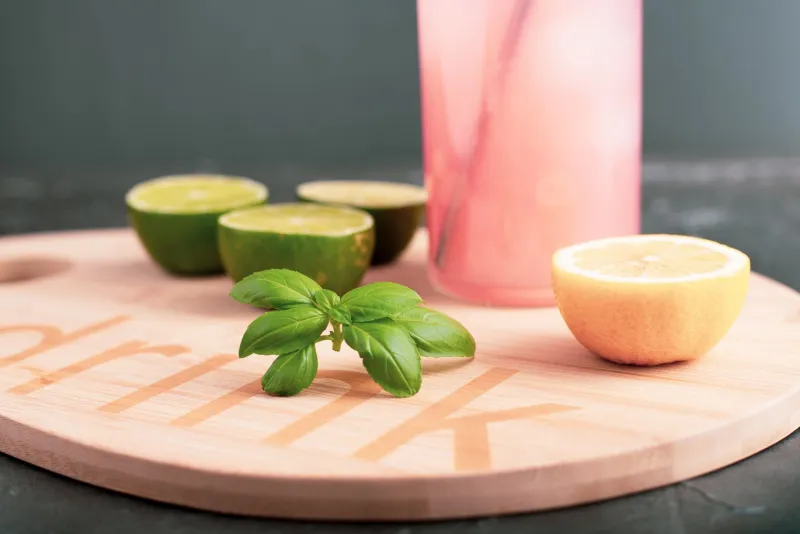
Sambal, lime, kecap manis, fish sauce, fried shallots, toasted coconut, a handful of torn basil. Added off the heat, right before serving. Without this, the dish is technically correct and completely forgettable. With it, the same ingredients taste like a different cuisine.
Three Combinations That Work Tonight
1. Garlic-chili kangkung with a fried egg. Sliced garlic and two chopped chilies in hot oil, kangkung stems then leaves, a splash of soy and a pinch of sugar, finished with lime. Fried egg on top, rice underneath. Twelve minutes.
2. Shallot and turmeric greens with crispy tofu. Sliced shallots and a pinch of turmeric, cubed firm tofu browned first, then chard or spinach wilted in. Finish with salt and a squeeze of lime, plus fried shallots if you have them.
3. Lemongrass-ginger shrimp with watercress. Sliced lemongrass core and ginger, shrimp for ninety seconds, watercress tossed in off the heat so it barely wilts. Finish with fish sauce and lime. Ten minutes, and it looks like you tried.
The Supermarket Translation Table
- Kangkung → spinach, chard, or Napa cabbage (add a minute of cook time for cabbage)
- Kecap manis → soy sauce plus a pinch of brown sugar
- Daun salam → skip it; a bay leaf in a longer braise is the closest stand-in
- Fresh chilies → chili crisp or sambal oelek, added off heat
- Fried shallots → the crispy onion topping near the salad croutons, genuinely
- Tempeh → extra-firm tofu, pressed and browned hard
Five Mistakes That Cost You Time
Wet leaves. Water on greens steams instead of sears, and you end up with a gray puddle. Spin them dry.
A cold pan. Aromatics need heat immediately. Get the pan hot before the oil, and the oil hot before the garlic.
Overcrowding. Two batches take less time than one soggy one. Greens release water and then boil in it.
Salting early. Salt the aromatics, salt the protein, and salt the leaf at the very end. Early salt pulls water out and you're back to the puddle.
Skipping the punch. This is the one people skip and it's the one that matters. A squeeze of lime at the end is not decoration.
Why the Formula Sticks
Recipes get you through a specific night. A formula gets you through a year of Tuesday nights, and it quietly solves the other problem too — the crisper drawer full of things bought with good intentions and no plan.
Once you can see a leaf as a slot instead of an obligation, weeknight dinner stops being a decision. It becomes a sequence: hot pan, aromatics, protein, leaf, punch, plate. Fifteen minutes, no browsing required.